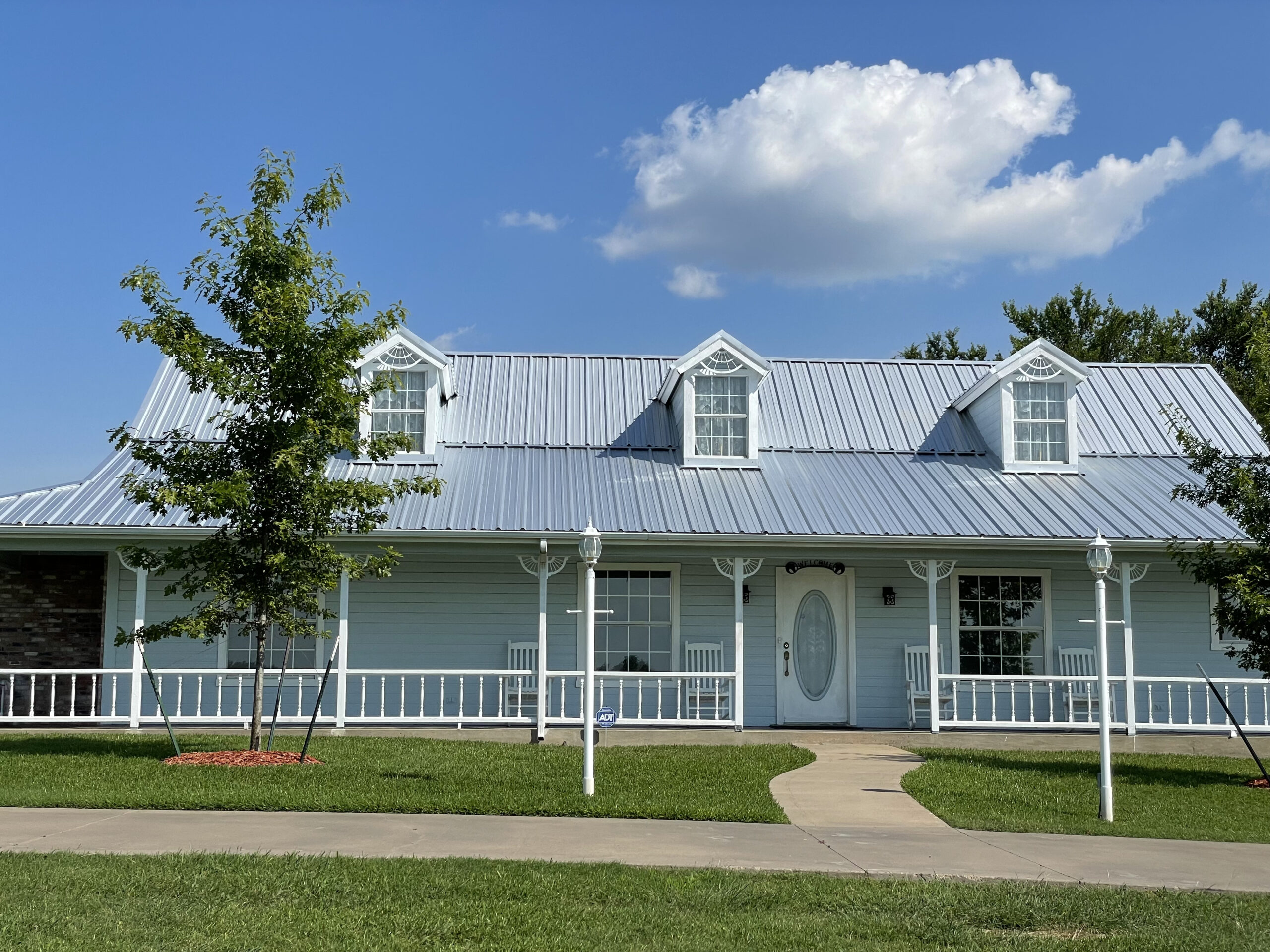
Metal roofing has emerged as a popular and resilient option for residential homes, offering a diverse range of benefits that cater to modern architectural and environmental needs. With advancements in technology and design, homeowners are increasingly opting for metal roofs due to their durability, energy efficiency, and aesthetic versatility. This article delves into the various options available for metal roofing in residential settings, providing insights into their unique features, benefits, and considerations.
Types of Metal Roofing Materials
Metal roofing materials are diverse, each providing distinctive advantages. When selecting a metal roof, homeowners can consider the following options:
- Steel: Known for its strength, steel is often coated with zinc or a mixture of zinc and aluminum to prevent rusting. It is available in different thicknesses and can be painted in a wide array of colors.
- Aluminum: Lightweight and resistant to corrosion, aluminum is ideal for coastal areas where salt exposure is a concern. It can be painted or left in its natural finish.
- Copper: Valued for its longevity and aesthetic appeal, copper develops a distinctive green patina over time. It is more expensive but can last for over a century.
- Zinc: Offering self-healing properties and a long lifespan, zinc is an environmentally friendly option that also develops a patina that protects it from corrosion.
For those interested in a detailed comparison of these materials, discover expert strategies here.
Benefits of Metal Roofing
Metal roofs are not only durable but also offer several other advantages that make them an attractive option for homeowners:
- Longevity: Metal roofs can last 40-70 years, depending on the material, far exceeding the lifespan of traditional asphalt roofing.
- Energy Efficiency: These roofs reflect solar radiant heat, which can reduce cooling costs by 10-25%.
- Environmental Impact: Most metal roofs are made from recycled materials and are 100% recyclable at the end of their lifecycle.
- Safety: Metal roofs are non-combustible and have a Class A fire rating, the highest possible rating.
- Weather Resistance: Designed to withstand high winds, heavy rains, and even hail, metal roofs can protect homes in extreme weather conditions.
To explore advanced guides and tips on how to maximize these benefits, find out more about this approach.
Considerations for Choosing Metal Roofing
While metal roofs offer numerous benefits, there are factors homeowners should consider before installation:
- Initial Cost: Metal roofing can be more expensive upfront compared to traditional roofing materials. However, its durability and low maintenance can offer long-term savings.
- Noise: Without proper insulation, metal roofs can be noisier than other types during rain or hail. Adequate insulation can mitigate this issue.
- Color and Style: With a wide range of colors and styles, choosing the right combination to match the home’s aesthetics is crucial.
Homeowners can learn about our tailored solutions for overcoming these potential challenges.
Installation and Maintenance
Professional Installation
The installation of a metal roof requires specialized skills to ensure that it performs optimally and lasts as long as possible. It’s crucial to hire experienced professionals who understand the nuances of metal roofing systems.
For homeowners considering professional installation, explore advanced guides and tips for selecting the right contractor.
Maintenance Tips
Although metal roofs require less maintenance than other types, periodic inspections are recommended to maintain their integrity and appearance. Essential maintenance tips include:
- Regularly removing debris, such as leaves and branches, to prevent water pooling.
- Inspecting for any loose or damaged panels and fasteners.
- Cleaning the roof with mild detergent and water to prevent buildup of dirt and grime.
For more detailed maintenance advice, find out more about this approach.
Metal roofs offer a compelling combination of durability, energy efficiency, and aesthetic appeal for residential homes. With various materials and styles available, homeowners can select options that best meet their functional and design requirements. For further guidance and support, learn about our tailored solutions that can enhance any residential property.