Best Digestive Enzymes for Sensitive Stomachs: Expert Recommendations
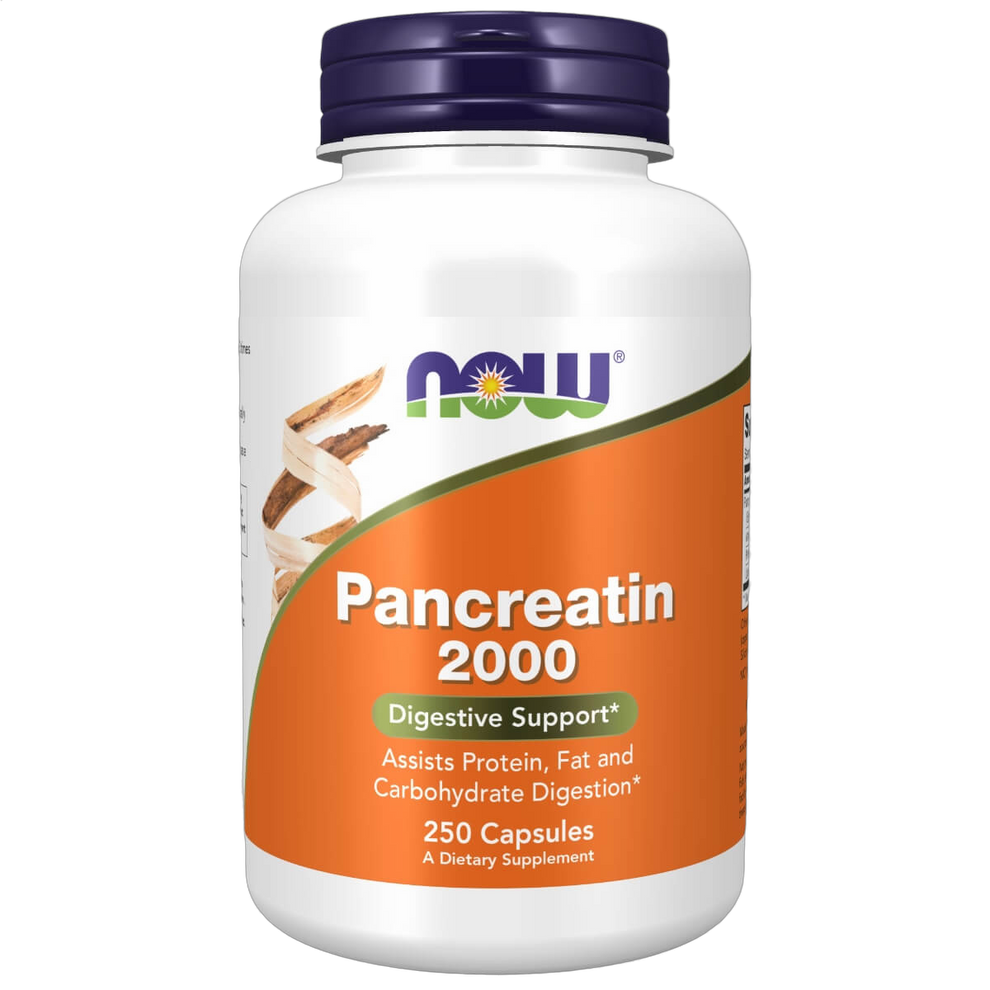
Finding relief for a sensitive stomach can feel like navigating a maze of conflicting advice and product claims. While dietary adjustments are essential, many people discover that a high-quality digestive enzyme supplement can make a noticeable difference in comfort, nutrient absorption, and overall digestive health. The following guide reviews the most effective enzymes for delicate digestive systems, explains how they work, and offers evidence-based recommendations for choosing a product that aligns with a sensitive gut’s unique needs.
Why Digestive Enzymes Matter for Sensitive Stomachs
When the body struggles to break down food efficiently, undigested particles ferment in the gut, leading to bloating, gas, and abdominal pain. Enzymes act as biological catalysts that accelerate the breakdown of proteins, fats, and carbohydrates, reducing the workload on the stomach and intestines. For individuals with low enzyme production, food sensitivities, or conditions such as irritable bowel syndrome (IBS), supplementing with the right enzymes can:
- Minimize uncomfortable gas and bloating
- Enhance nutrient absorption, preventing deficiencies
- Support a balanced gut microbiome by reducing fermentable substrates
- Provide a gentler digestive experience after meals that are traditionally hard to digest
Key Enzyme Types to Look For
Protease
Breaks down proteins into amino acids. A deficiency can cause protein-related gas and a feeling of heaviness after meat or dairy consumption.
Amylase
Targets carbohydrates, converting starches into simple sugars. This is especially helpful for those who react to grains or beans.
Lipase
Facilitates fat digestion, reducing the greasy, lingering sensation that can follow high-fat meals.
Additional Specialty Enzymes
- Beta-galactosidase – Helps break down lactose for individuals with mild lactose intolerance.
- Alpha-galactosidase – Assists with complex carbs found in cruciferous vegetables, lowering gas production.
- Cellulase – Supports the digestion of plant fiber, beneficial for those who experience fiber-induced cramping.
Top Recommendations for Sensitive Stomachs
The following products consistently receive high marks for potency, purity, and tolerability. Each formulation includes a balanced blend of the core enzymes plus targeted additions for common sensitivities.
1. Broad-Spectrum Enzyme Complex with Gentle Coating
- Contains protease, amylase, lipase, and a blend of specialty enzymes (beta-galactosidase, alpha-galactosidase, cellulase).
- Enteric-coated capsules protect enzymes from stomach acid, ensuring release in the small intestine where they are most effective.
- Free from common allergens such as gluten, soy, and dairy.
For a reliable source of these ingredients, explore the best digestive enzymes selection, which offers third-party tested formulations.
2. Low-Dose Lipase-Focused Formula
- Optimized for individuals who experience discomfort after fatty meals.
- Contains a modest amount of protease and amylase to maintain overall balance without overwhelming a sensitive gut.
- Encapsulated in a hypoallergenic, plant-based capsule.
This option is highlighted among the best digestive enzyme supplements for its targeted approach.
3. Plant-Based Enzyme Blend with Probiotic Support
- Derived from fermented pineapple, papaya, and rice, providing a natural enzyme spectrum.
- Includes a modest probiotic strain (Bacillus coagulans) to further aid gut harmony.
- Suitable for vegans and those avoiding animal-derived enzymes.
Those seeking a synergistic approach may find the digestive enzymes supplement line particularly helpful.
How to Choose the Right Supplement
Selecting an enzyme product involves more than just reading the label. Consider the following factors to ensure the supplement aligns with a sensitive stomach’s needs:
- Enzyme potency per serving – Look for clear IU (International Units) or activity levels rather than vague “enzyme units.”
- Spectrum balance – A well-rounded product includes protease, amylase, and lipase in proportions that match typical dietary intake.
- Allergen profile – Verify that the formula is free from gluten, soy, dairy, and other common triggers.
- Coating technology – Enteric or delayed-release coatings protect enzymes from stomach acid, which is crucial for effectiveness.
- Third-party testing – Independent verification of label claims adds confidence in purity and potency.
Integrating Enzymes into Your Daily Routine
For maximum benefit, enzymes should be taken with the first bite of a meal. This timing allows the enzymes to mix directly with food, beginning the breakdown process immediately. Practical tips include:
- Start with a low dose (?? capsule) and gradually increase to the recommended serving as tolerance improves.
- Maintain a food diary to track which meals cause the most discomfort and adjust enzyme types accordingly.
- Combine enzyme use with a balanced diet rich in soluble fiber, fermented foods, and adequate hydration.
Potential Side Effects and When to Seek Professional Advice
Digestive enzymes are generally safe, but a few considerations are worth noting:
- Rare allergic reactions to source materials (e.g., fungal-derived enzymes).
- Over-supplementation may lead to mild abdominal cramping or diarrhea.
- Individuals with pancreatic insufficiency or chronic gastrointestinal disease should consult a healthcare professional before starting any supplement.
Conclusion
Choosing the best digestive enzymes supplement for a sensitive stomach involves matching enzyme activity, formulation purity, and delivery technology to personal digestive challenges. By focusing on broad-spectrum blends, low-dose targeted formulas, or plant-based options with probiotic synergy, it is possible to reduce discomfort, improve nutrient uptake, and support overall gut health. Consistent use alongside mindful eating habits offers a practical pathway to a calmer, more comfortable digestive experience.