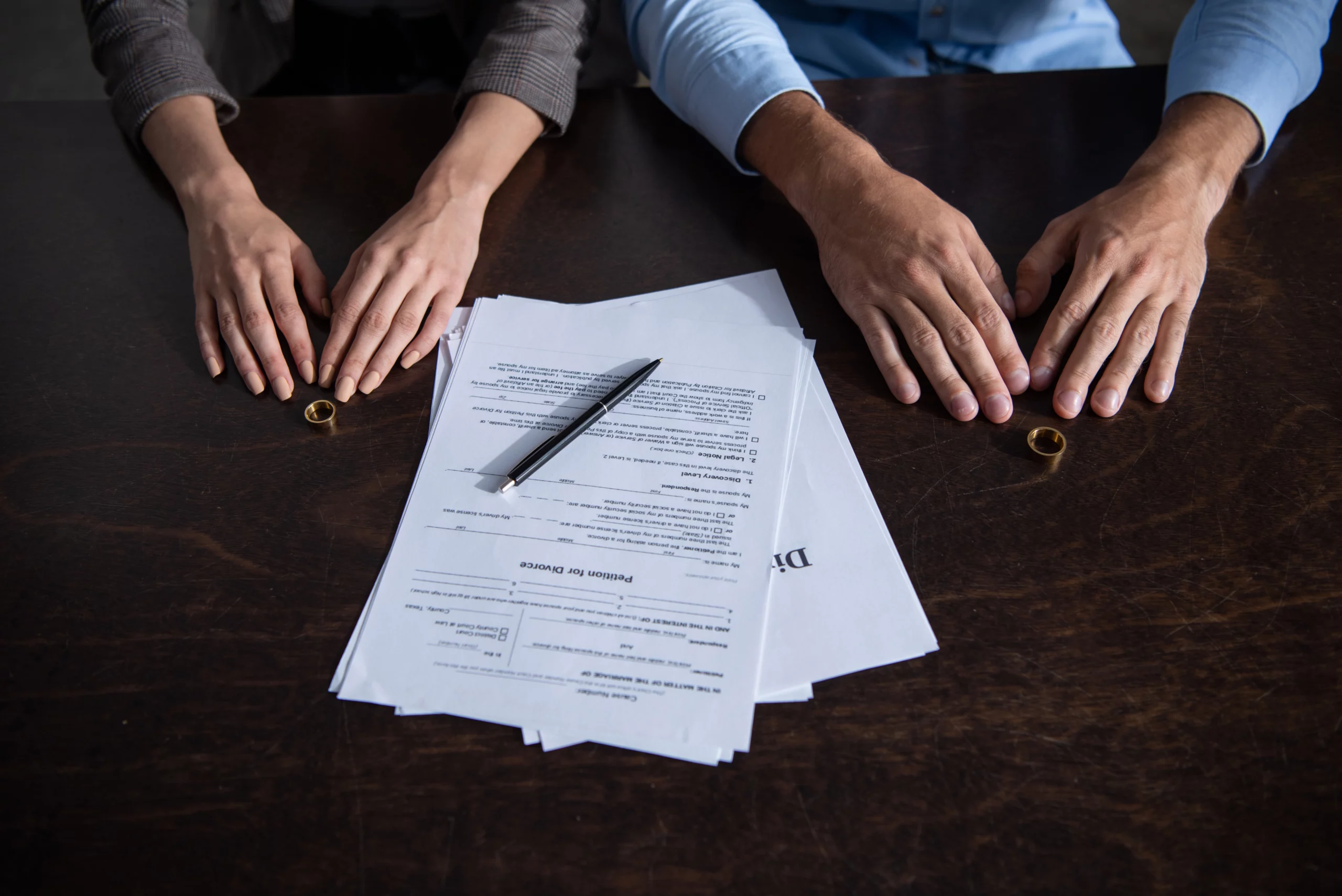
Filing for divorce can be a complex and emotionally taxing process. For residents of Denver County, understanding the steps involved in filing divorce forms is essential to ensure a smooth transition during this challenging time. This guide aims to provide a comprehensive overview of the necessary forms, procedures, and resources available for those navigating the divorce process in Denver County. By breaking down the essentials, this guide will help clarify what to expect and how to proceed efficiently.
Understanding the Basics of Divorce in Denver County
Before embarking on the process of filing divorce forms, it is crucial to understand the basic legal requirements and options available. Divorce in Denver County is governed by Colorado state law, which includes specific residency and procedural mandates.
- Residency Requirements: At least one spouse must have lived in Colorado for a minimum of 91 days before filing.
- Types of Divorce: Options include uncontested or contested divorce, as well as collaborative divorce.
- Waiting Period: A mandatory 90-day waiting period is required after filing before the divorce can be finalized.
For further insights on these requirements, read more about this topic.
Essential Divorce Forms in Denver County
Filing for divorce necessitates the completion of several forms. These documents are crucial to officially begin the divorce process and ensure all legal aspects are addressed.
Initial Filing Documents
- Petition for Dissolution of Marriage: This form officially requests the court to terminate the marriage.
- Summons: Notifies the other party of the divorce proceedings.
- Case Information Sheet: Provides the court with details about both parties and the marriage.
To gain a deeper understanding of each form, explore further insights here.
Additional Required Forms
Depending on the circumstances, additional forms may be necessary:
- Separation Agreement: Outlines the terms of property division and support.
- Parenting Plan: Required if children are involved, detailing custody and visitation arrangements.
- Financial Affidavit: Discloses each party’s income, expenses, assets, and liabilities.
Find additional information here on these supplemental forms.
Steps to File Divorce Forms in Denver County
Once the necessary forms have been completed, the next step is to file them with the court. The following steps outline the procedure:
- Complete the Forms: Ensure all required forms are filled out accurately and completely.
- File with the Clerk of Court: Submit the forms to the Denver County Clerk of Court and pay any applicable filing fees.
- Serve the Documents: Legally deliver the divorce papers to the other party, typically using a process server or sheriff’s office.
To understand the specifics of each step, learn more in this detailed guide.
Post-Filing Considerations
After filing, there are several important considerations to keep in mind:
- Temporary Orders: Either party may request temporary orders regarding custody, support, or property until the divorce is finalized.
- Mediation: Mediation may be required to resolve disagreements, especially in contested cases.
- Final Decree: Once all issues are resolved, a final decree of divorce will be issued by the court.
For more detailed information on post-filing procedures, explore further insights here.
Understanding the intricacies of filing divorce forms in Denver County can significantly ease the divorce process. By familiarizing oneself with the necessary documents, procedures, and post-filing considerations, individuals can navigate this challenging period with greater confidence and clarity.