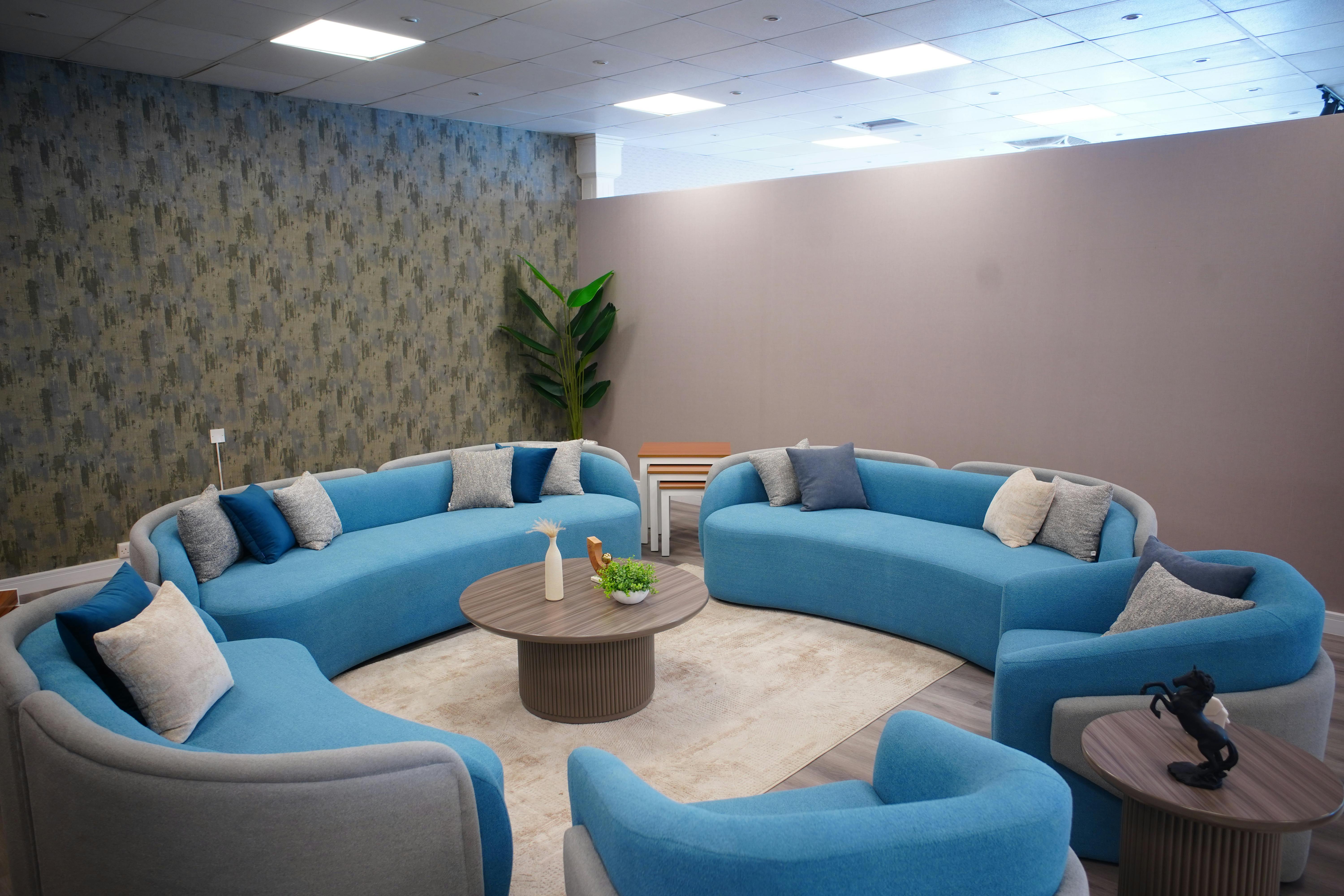
In the evolving landscape of interior design, modular sofas have emerged as a highly adaptable and stylish option for both residential and commercial spaces. These versatile furnishings offer a flexibility that traditional sofas cannot, allowing users to customize their seating arrangements to fit a variety of room sizes and configurations. Whether you’re an interior designer or a homeowner, understanding the nuances of designing a modular sofa is essential. This article delves into expert advice on creating a modular sofa that meets both aesthetic and functional needs.
Understanding Modular Sofa Design
Modular sofas, also known as sectional sofas, are composed of separate pieces or modules that can be configured in multiple ways. This capability not only maximizes space but also provides the freedom to alter the layout as needs change. Here are some key elements to consider:
- **Configuration Options**: Determine the primary usage of the sofa. Is it for lounging, entertaining, or accommodating overnight guests?
- **Space and Size**: Measure the area where the sofa will be placed to ensure a perfect fit. Consider access points and movement around the sofa.
- **Style and Design**: Choose a style that complements existing decor. This could range from contemporary to classic designs.
Materials and Upholstery
The choice of materials and upholstery is crucial not only for aesthetic appeal but also for durability and comfort. Here are some insights from industry experts:
- **Fabric Choices**: Opt for fabrics that offer a balance between durability and comfort. Microfiber and leather are popular choices.
- **Frame Materials**: Look for sturdy frame constructions such as hardwood for longevity.
- **Cushion Fill**: High-density foam or memory foam provides superior comfort and retains shape over time.
For a more comprehensive understanding of material choices, you can read more about this topic.
Customization and Personalization
One of the most significant advantages of a modular sofa is its potential for customization. Here are ways to personalize your sofa:
- **Modular Components**: Select from various components like chaise lounges, corner units, and ottomans.
- **Color and Texture**: Experiment with different color schemes and textures to match personal tastes and room decor.
- **Accessory Integration**: Consider adding built-in storage or detachable trays for added functionality.
Explore further insights here to enhance your sofa’s customization.
Maintenance and Care
Maintaining the longevity of a modular sofa involves regular care and attention. Here are expert tips on maintaining your sofa:
- **Regular Cleaning**: Vacuum the sofa regularly to remove dust and debris. Use appropriate cleaning agents for fabric or leather.
- **Rearranging Modules**: Periodically rearrange the modules to ensure even wear and tear.
- **Professional Cleaning**: Consider professional cleaning services annually to maintain fabric integrity and color.
For detailed maintenance guidance, learn more in this detailed guide.
Cost Considerations
The cost of a modular sofa can vary widely based on the materials, size, and level of customization. Here”?s what to consider:
- **Budget Planning**: Define a budget that includes potential costs for customization and delivery.
- **Value Assessment**: Evaluate the long-term value of the sofa in terms of its adaptability and lifespan.
- **Market Research**: Compare prices and features across different retailers and manufacturers.
Find additional information here to make informed purchasing decisions.
Designing a modular sofa involves a combination of creativity, practical considerations, and attention to detail. By following the insights shared by industry experts, one can create a sofa that not only enhances the beauty of a space but also serves the functional needs of its users. With careful planning and execution, a modular sofa can be a timeless addition to any home or office.