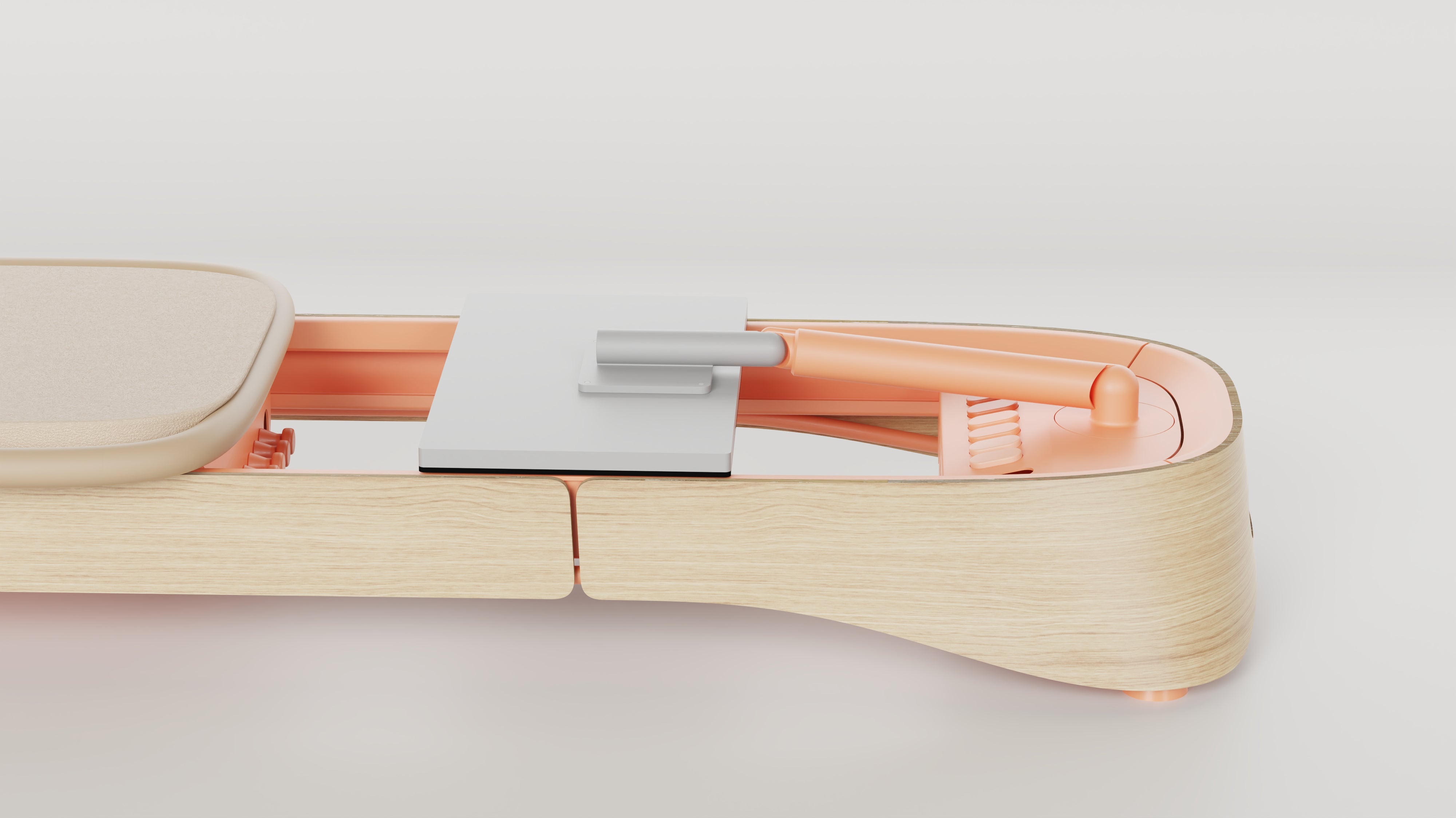
In the ever-evolving world of Pilates equipment, the wooden reformer stands out as a bridge between timeless craftsmanship and cutting-edge functionality. This review examines how the classic wooden frame integrates modern engineering, offering a balanced platform for both seasoned practitioners and newcomers. By exploring design nuances, performance metrics, and user experience, the article aims to provide a clear picture of whether this reformer deserves a place in a dedicated studio or home gym.
Design Philosophy: Heritage Meets Innovation
The wooden Pilates reformer draws inspiration from the original apparatuses used by Joseph Pilates, yet it incorporates contemporary materials and mechanisms that enhance durability and adjustability.
Material Selection
- Solid hardwood frame: Offers natural aesthetics, superior strength, and a warm tactile feel.
- Aluminum carriage rails: Reduce friction while preserving the visual harmony of the wooden body.
- Premium synthetic springs: Provide consistent tension across a wide resistance range.
Ergonomic Features
- Adjustable footbar and shoulder rests to accommodate various body types.
- Low-profile rollers that glide smoothly, minimizing noise during intensive sessions.
- Integrated storage hooks for accessories such as resistance bands and mats.
Performance Evaluation
When assessing a reformer, the focus should be on resistance precision, movement fluidity, and safety mechanisms. The wooden model excels in each of these categories.
Resistance Precision
The spring system is calibrated in incremental steps, allowing practitioners to fine-tune tension from light rehabilitation work to high-intensity strength training. The tension dial is marked clearly, making adjustments intuitive even mid-class.
Movement Fluidity
Because the carriage rides on low-friction aluminum rails, the glide feels almost weightless. This smoothness reduces joint strain and encourages a deeper mind-body connection, which is essential for Pilates practice.
Safety and Stability
- Sturdy wooden legs are reinforced with steel brackets to prevent wobble.
- Non-slip footpads on the base ensure the unit stays grounded during dynamic movements.
- Emergency stop lever on the carriage provides an immediate halt if needed.
User Experience: From Setup to Daily Use
Installation is straightforward: the reformer arrives partially assembled, with clear instructions that guide the user through the final steps. Once set up, the unit requires minimal maintenance, periodic dusting of the wood and occasional spring tension checks keep it performing at peak level.
Comfort and Aesthetics
The warm wood finish adds an inviting ambiance to any studio, contrasting nicely with modern equipment. The carriage cushion is covered in breathable, moisture-wicking fabric, enhancing comfort during longer sessions.
Versatility Across Skill Levels
Beginners benefit from the stable base and easily adjustable resistance, while advanced athletes appreciate the ability to stack springs for high-intensity work. The reformer also supports a range of accessories, such as Pilates rings and resistance bands, expanding its utility.
Comparative Insights
When placed alongside all-metal reformers, the wooden version distinguishes itself through its aesthetic appeal and slightly softer feel underfoot. While metal frames may offer marginally higher weight capacity, the wooden design provides sufficient robustness for most commercial and residential settings.
Key Advantages
- Elegant visual presence that enhances studio d??cor.
- Natural vibration damping from the wood, resulting in quieter operation.
- Eco-friendly sourcing of hardwood, aligning with sustainable studio practices.
Potential Drawbacks
- Higher initial cost compared to basic metal models.
- Requires occasional refinishing to maintain the wood’s luster in high-humidity environments.
Where to Purchase and Additional Resources
For those interested in exploring this reformer further, detailed specifications, warranty information, and purchasing options are available on the official product page. Discover expert strategies here. The site also hosts a library of instructional videos that demonstrate proper setup and a variety of workout routines.
Additional reading includes a comprehensive guide on selecting the right spring configuration for specific training goals. Learn about our tailored solutions. For studio owners seeking to integrate the wooden reformer into a broader equipment lineup, a case-study series outlines layout considerations and client feedback. Explore advanced guides and tips.
Finally, the manufacturer’s blog frequently publishes articles on maintenance best practices and the benefits of wooden equipment in Pilates pedagogy. Find out more about this approach.
Conclusion
The wooden Pilates reformer successfully merges classic design elements with modern performance technology. Its sturdy hardwood construction, precise resistance system, and quiet glide make it a compelling choice for studios that value both functionality and aesthetics. While the price point may be higher than basic metal alternatives, the long-term durability, visual appeal, and eco-friendly credentials provide added value. For practitioners seeking a reformer that honors Pilates heritage while delivering contemporary results, this model stands out as a worthy investment.