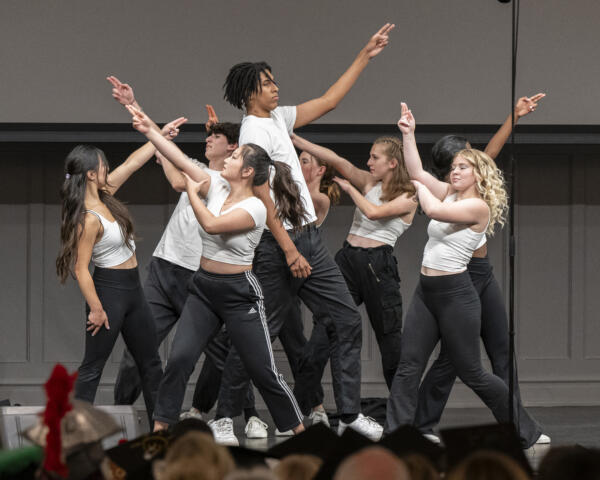
Private middle schools in Seattle strive to balance rigorous academics with personal development, preparing students for the challenges of high school and beyond. By integrating interdisciplinary studies, experiential learning, and strong community values, these institutions create curricula that nurture curiosity, critical thinking, and social responsibility. The following overview highlights the core components commonly found in Seattle’s private middle school programs, illustrating how they support a well-rounded education while allowing flexibility for individual student interests.
Core Academic Framework
The backbone of any private middle school curriculum is a comprehensive set of core subjects designed to build foundational knowledge and skills.
Mathematics
- Progressive sequencing from pre-algebra to introductory geometry.
- Emphasis on problem-solving strategies and real-world applications.
- Opportunities for enrichment through math clubs and competitions.
Language Arts
- Integrated reading and writing workshops that explore classic and contemporary literature.
- Focus on analytical essay writing, research techniques, and oral presentation skills.
- Vocabulary development linked to interdisciplinary themes.
Science
- Inquiry-based labs covering life, earth, and physical sciences.
- Project work that connects scientific concepts to local environmental issues.
- Use of technology for data collection, simulation, and analysis.
Social Studies
- Chronological study of world civilizations, U.S. history, and government.
- Incorporation of primary source analysis and civic engagement projects.
- Geography lessons that integrate map skills and global awareness.
For a deeper look at how these subjects interrelate, Read more about this topic.
Interdisciplinary and Thematic Units
Many Seattle private middle schools move beyond isolated subjects by designing thematic units that weave together multiple disciplines. This approach encourages students to see connections across fields and apply knowledge in complex contexts.
- STEM Integration: Projects that combine engineering design challenges with mathematical modeling and scientific experimentation.
- Humanities Themes: Units exploring cultural narratives through literature, art, and historical perspectives.
- Environmental Studies: Local ecosystem investigations that involve biology, chemistry, geography, and civic responsibility.
To explore examples of interdisciplinary curricula, Learn more in this detailed guide.
Experiential Learning Opportunities
Hands-on experiences are a hallmark of private middle school education in Seattle, providing students with real-world contexts for classroom learning.
Field Trips and Outdoor Education
- Visits to museums, science centers, and historical sites.
- Outdoor classrooms in nearby parks and nature reserves for ecology studies.
- Community service projects that align with social studies themes.
Student-Led Projects
- Research presentations at school-wide symposiums.
- Entrepreneurial ventures such as school markets or tech fairs.
- Collaborative art installations that reflect community values.
Details on how experiential learning is integrated can be found here: Explore further insights here.
Technology Integration
Modern curricula incorporate digital tools to enhance learning while teaching responsible technology use.
- Learning management systems for assignment tracking and feedback.
- Coding workshops that introduce Python, JavaScript, or block-based programming.
- Digital portfolios allowing students to showcase work across subjects.
For guidance on effective technology practices, Find additional information here.
Social-Emotional Learning (SEL) and Character Development
Private middle schools in Seattle place a strong emphasis on SEL to foster resilience, empathy, and ethical decision-making.
- Regular mindfulness and reflection sessions.
- Conflict resolution workshops and peer-mediation programs.
- Community-service requirements that build a sense of civic duty.
Assessment and Progress Monitoring
Assessment strategies balance formative feedback with summative evaluation, ensuring that each student’s growth is clearly documented.
- Portfolio reviews that compile work samples over the academic year.
- Standardized testing used as a benchmark rather than a sole indicator of ability.
- Teacher-parent conferences that discuss academic and personal development.
Extracurricular Enrichment
Beyond the classroom, a robust selection of clubs, sports, and arts programs supports diverse interests and talents.
- Music ensembles, theater productions, and visual-arts studios.
- Competitive sports teams that emphasize teamwork and sportsmanship.
- Special interest clubs such as robotics, debate, and environmental advocacy.
These programs contribute to a holistic educational experience, preparing students for the multifaceted demands of higher education and community life.
Conclusion
Seattle’s private middle schools offer curricula that blend rigorous academics, interdisciplinary exploration, experiential learning, and strong social-emotional foundations. By providing flexible pathways and a supportive environment, these schools aim to cultivate confident, curious, and compassionate learners ready to thrive in high school and beyond.