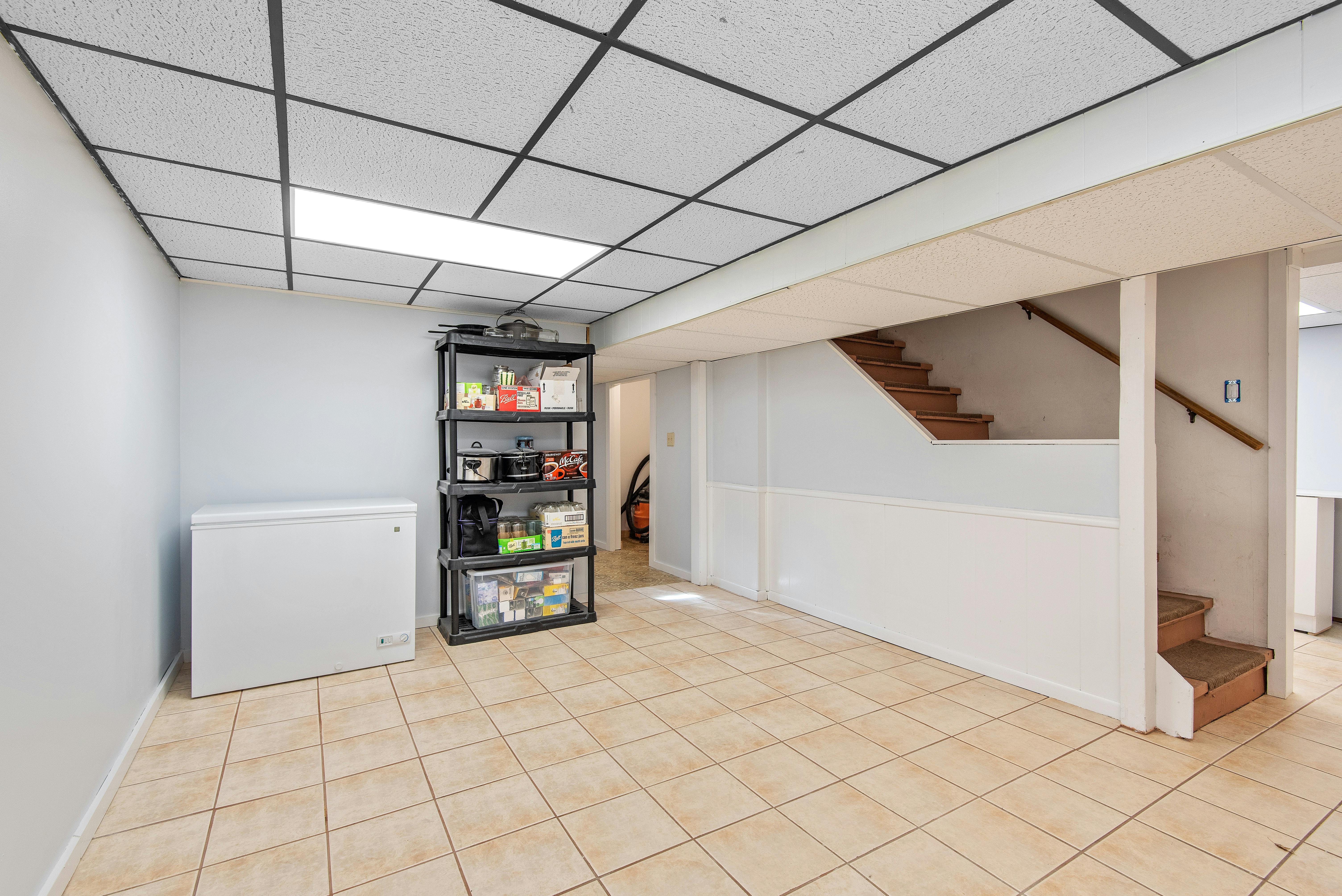
LED strip lighting has transformed the way spaces are illuminated, offering an innovative solution that is both functional and aesthetically pleasing. Whether enhancing the ambiance of a living room or providing practical lighting in a workspace, LED strips are versatile enough to meet various needs. With advancements in lighting technology, these strips have become a go-to option for those looking to modernize their lighting solutions. Their adaptability and efficiency make them an ideal choice for any setting, ensuring a blend of style and substance.
Understanding LED Strip Lighting
LED strip lights consist of flexible circuit boards populated with light-emitting diodes (LEDs). They come in a variety of lengths and can be cut to size, making them suitable for customized installations. The flexibility of LED strips allows them to be installed on curved surfaces, corners, and other challenging spaces where traditional lighting solutions may not fit.
Advantages of LED Strip Lighting
- Energy Efficiency: LED strips consume less power compared to traditional lighting, reducing energy bills.
- Long Lifespan: They have a lifespan of up to 50,000 hours, minimizing the need for frequent replacements.
- Versatility: Suitable for accent lighting, task lighting, and decorative purposes.
- Easy Installation: LED strips can be installed with adhesive backing, clips, or mounting tracks.
For those interested in exploring advanced guides and tips on integrating LED strip lighting into various environments, find out more about this approach.
Applications of LED Strip Lighting
LED strip lighting can be employed in numerous applications, each benefiting from its unique adaptability and aesthetic appeal. Here are some common uses:
Residential Spaces
In homes, LED strips can be used to highlight architectural features, illuminate kitchen countertops, or provide subtle lighting under cabinets. They are also perfect for enhancing the ambiance of living rooms and bedrooms.
Discover expert strategies here for incorporating LED strips into residential spaces to enhance both aesthetics and functionality.
Commercial and Retail Environments
In commercial settings, LED strip lighting is often used to draw attention to product displays, signage, and architectural details. The ability to change colors and brightness makes them ideal for creating dynamic and engaging environments in retail spaces.
To learn about tailored solutions for commercial applications, learn about our tailored solutions.
Choosing the Right LED Strip Light
Selecting the appropriate LED strip lighting involves considering factors such as brightness, color temperature, and the intended application. The wide range of available options allows for customization to meet specific requirements.
When choosing LED strip lighting, consider:
- Brightness: Measured in lumens per meter, choose based on the level of illumination needed.
- Color Temperature: Ranges from warm (2700K) to cool (6500K), affecting the mood and feel of a space.
- Waterproofing: Necessary for outdoor or damp environments.
Explore advanced guides and tips to ensure the selected LED strip lighting meets the intended purpose and environment.
Conclusion
LED strip lighting offers a versatile, energy-efficient solution that can enhance the aesthetic and functionality of any space. Its adaptability makes it suitable for a wide range of applications, from residential to commercial settings. By understanding the different options and applications of LED strip lights, individuals and businesses can make informed decisions to achieve the desired lighting effect.
For more detailed insights and guidance on implementing LED strip lighting solutions, explore advanced guides and tips.