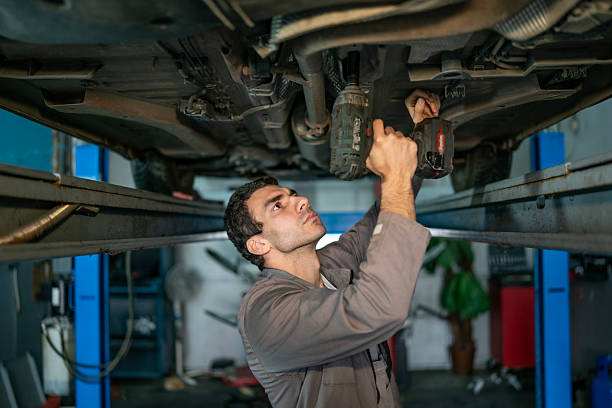
Efficient fleet maintenance is a critical component of any business that relies on a fleet of vehicles to operate. Proper maintenance not only extends the life of vehicles but also ensures safety, reliability, and cost-efficiency. As businesses strive to maximize their fleet’s performance, implementing a comprehensive maintenance solution becomes essential. This article explores effective strategies, best practices, and innovative solutions to streamline fleet maintenance processes for businesses of all sizes.
Understanding Fleet Maintenance
Fleet maintenance involves the regular inspection, repair, and servicing of vehicles to ensure they operate efficiently. It encompasses various activities such as oil changes, tire rotations, brake inspections, and more. The goal is to minimize downtime, reduce repair costs, and maintain vehicle safety.
Key Components of a Fleet Maintenance Plan
- Scheduled Maintenance: Regularly scheduled maintenance tasks such as oil changes, filter replacements, and brake inspections help prevent unexpected breakdowns.
- Predictive Maintenance: Uses data analytics and vehicle diagnostics to predict potential issues before they occur, allowing for proactive repairs.
- Inventory Management: Efficient management of spare parts to ensure availability when needed, reducing downtime and repair delays.
- Driver Training: Educating drivers on best practices for vehicle operation to reduce wear and tear, and improve fuel efficiency.
The Role of Technology in Fleet Maintenance
Advancements in technology have revolutionized fleet maintenance, offering businesses innovative solutions to optimize their operations. One of the key technological advancements is telematics, which provides real-time data on vehicle health, location, and driver behavior. This data is instrumental in creating efficient maintenance schedules and identifying potential issues early on. Learn more in this detailed guide.
Benefits of Telematics
- Real-Time Monitoring: Allows for the continuous monitoring of vehicle performance, enabling timely interventions.
- Data-Driven Decisions: Empowers fleet managers to make informed decisions based on accurate data analytics.
- Enhanced Safety: By monitoring driver behavior, telematics can help improve safety by encouraging safer driving habits.
Cost-Effective Fleet Maintenance Strategies
Implementing cost-effective strategies is crucial for businesses aiming to manage their fleet maintenance efficiently. A proactive approach not only saves money but also improves vehicle longevity. Here are some strategies to consider:
Implementing Preventive Maintenance
Preventive maintenance involves regular inspections and servicing to prevent major repairs. This approach is cost-effective as it addresses minor issues before they escalate into costly repairs. Find additional information here.
Utilizing Fleet Management Software
Fleet management software is a valuable tool for businesses to track maintenance schedules, monitor vehicle health, and manage costs efficiently. It provides a centralized platform to store vehicle data, track repairs, and schedule maintenance, ensuring no task is overlooked. Explore further insights here.
Best Practices for Effective Fleet Maintenance
Adopting best practices in fleet maintenance can significantly enhance the efficiency and reliability of a fleet. These practices ensure that vehicles are well-maintained, reducing the likelihood of unexpected breakdowns and costly repairs.
Regular Inspections
- Routine Checks: Conducting regular visual inspections to identify potential issues early.
- Comprehensive Diagnostics: Utilizing diagnostic tools to assess vehicle health and performance.
Engaging Skilled Technicians
Employing skilled technicians who are knowledgeable about different vehicle types and maintenance requirements is essential. Their expertise ensures that maintenance tasks are performed accurately and efficiently. Read more about this topic.
In conclusion, efficient fleet maintenance is a vital aspect of business operations that can significantly impact a company’s bottom line. By implementing a robust maintenance plan, leveraging technology, and adopting best practices, businesses can enhance the performance and longevity of their fleet, ensuring seamless operations and cost savings.