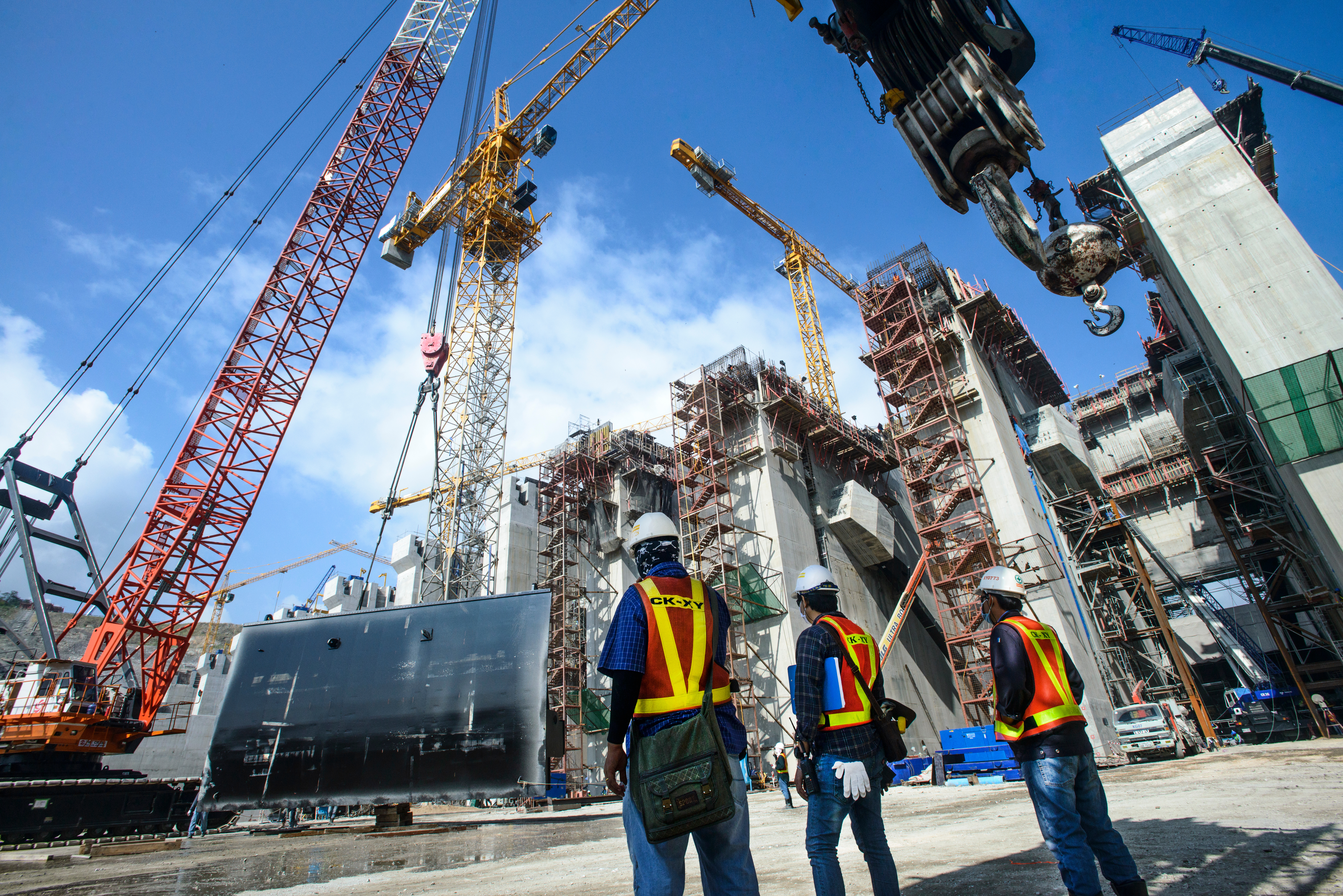
Construction projects often present a complex landscape, requiring seamless collaboration between multiple stakeholders. However, this intricate environment can sometimes lead to disputes, which may arise from contract disagreements, project delays, or budget overruns. Navigating these disputes necessitates specialized legal assistance to protect interests and ensure successful resolution. Engaging a proficient legal team with deep expertise in construction law can be pivotal in addressing these challenges efficiently.
Understanding Construction Disputes
Construction disputes can manifest in various forms, each requiring a unique approach. Common types include:
- Contractual disputes over terms and conditions.
- Delays and schedule disruptions.
- Payment issues, including non-payment or late payment.
- Quality of work and compliance with standards.
- Claims related to unforeseen site conditions.
These disputes can be complex, often involving multiple parties such as contractors, subcontractors, suppliers, and developers. Discover expert strategies here.
Role of a Legal Team in Construction Disputes
The role of a legal team in handling construction disputes is crucial for safeguarding interests and achieving a favorable outcome. Key responsibilities include:
- Conducting a thorough analysis of the contract and relevant documentation.
- Advising on dispute resolution methods, such as negotiation, mediation, or arbitration.
- Representing clients in legal proceedings.
- Managing claims efficiently to minimize financial and reputational risks.
- Ensuring compliance with construction laws and regulations.
For tailored solutions, learn about our tailored solutions to construction disputes.
Choosing the Right Legal Expertise
Selecting the right legal team is imperative to effectively navigate construction disputes. Consider the following factors when making a choice:
- Experience in construction law and dispute resolution.
- Proven track record in handling similar cases.
- In-depth understanding of construction industry practices.
- Ability to manage complex, multi-party disputes.
- Strong negotiation and advocacy skills.
To explore advanced guides and tips on choosing legal expertise, explore advanced guides and tips.
Effective Dispute Resolution Strategies
Employing effective strategies is essential for resolving construction disputes efficiently. Consider the following approaches:
Negotiation
A collaborative approach where parties aim to reach a mutually acceptable agreement. Often the first step in dispute resolution.
Mediation
A neutral third-party mediator assists in facilitating dialogue between parties to help them arrive at a resolution.
Arbitration
A formal process wherein an arbitrator makes a binding decision, offering a quicker and more confidential resolution compared to court proceedings.
Litigation
When other methods fail, litigation in court becomes necessary. This approach is generally more time-consuming and costly but may be necessary for complex disputes.
Find out more about this approach here.
In conclusion, addressing construction disputes requires a strategic approach and a competent legal team. By understanding the nature of disputes and utilizing appropriate resolution strategies, it is possible to safeguard interests and ensure project success. For more detailed insights, consider exploring the resources provided by established legal experts in the field.