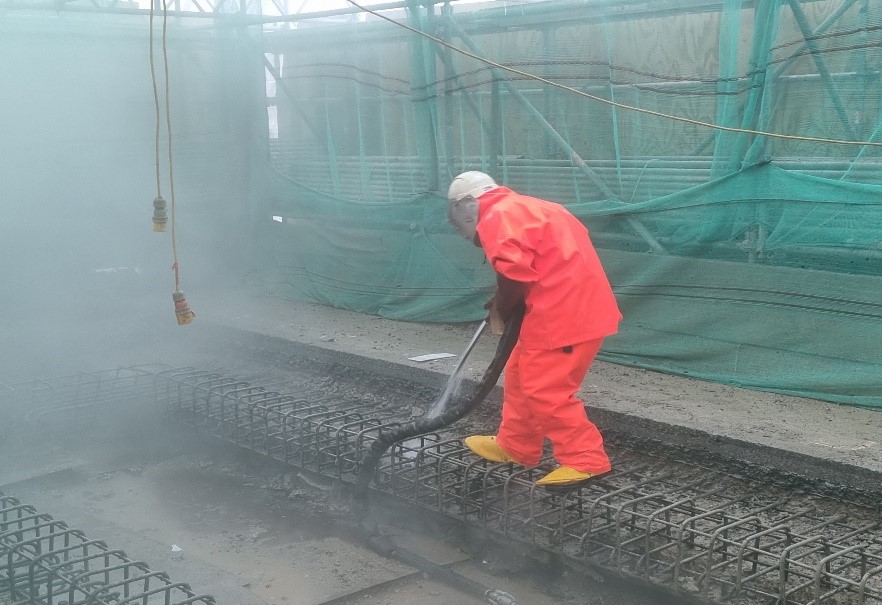
In the realm of modern construction and civil engineering, the techniques for effective and environmentally conscious concrete removal are constantly evolving. Among the most advanced and efficient methods is hydro demolition, a process that uses high-pressure water jets to remove deteriorated or unwanted concrete. This technique offers numerous benefits over traditional methods, such as minimizing the risk of structural damage and reducing dust and noise pollution. Understanding the intricacies of hydro demolition techniques can provide valuable insights for engineers and project managers looking to implement sustainable and precise concrete removal solutions.
What is Hydro Demolition?
Hydro demolition, also known as hydro milling or water jetting, is a method employed to remove concrete using high-pressure water jets. This approach is particularly advantageous for projects where precision is crucial, and the integrity of the remaining structure must be preserved.
How Hydro Demolition Works
The process of hydro demolition involves a few key steps:
- Assessment: A thorough evaluation of the concrete structure is conducted to determine the areas requiring removal.
- Setup: Specialized equipment is set up to deliver high-pressure water jets to the targeted areas.
- Execution: The water jets are directed at the concrete, effectively breaking it down without causing vibrations or damage to the surrounding structure.
- Cleanup: Debris and water are collected and disposed of responsibly, ensuring a clean and safe work environment.
Benefits of Hydro Demolition
Hydro demolition offers several advantages over traditional methods of concrete removal:
- Precision: The technique allows for targeted removal of concrete, minimizing the impact on the surrounding areas.
- Environmental Considerations: The use of water reduces dust and airborne pollutants, making it a more environmentally friendly option.
- Structural Integrity: Unlike jackhammers and other mechanical means, hydro demolition does not introduce vibrations that could compromise structural integrity.
- Versatility: It can be used on a wide range of surfaces and structures, from bridges to parking decks.
Applications of Hydro Demolition
Hydro demolition is utilized across various sectors, each benefiting from its unique advantages. Some common applications include:
- Bridge Decks: Precise removal of damaged concrete to prepare for repairs or resurfacing.
- Industrial Facilities: Safe removal of concrete in confined spaces without the risk of environmental contamination.
- Parking Structures: Efficient removal of deteriorated concrete while preserving the integrity of the underlying structure.
For more information on how hydro demolition can be applied to different projects, explore hydro demolition services.
Challenges and Considerations
While hydro demolition is highly effective, there are certain challenges and considerations to keep in mind:
- Water Management: Effective management of water runoff is essential to prevent contamination and flooding.
- Equipment and Expertise: The technique requires specialized equipment and skilled operators to ensure optimal results.
- Project Scope: The size and complexity of the project can affect the feasibility and logistics of hydro demolition.
Conclusion
Hydro demolition represents a cutting-edge approach to concrete removal, combining precision, environmental consciousness, and safety. Its ability to preserve structural integrity while offering an efficient and clean removal process makes it an invaluable technique in modern construction and engineering projects. By understanding the benefits and considerations of hydro demolition, industry professionals can make informed decisions that align with project goals and environmental standards. For those looking to implement such advanced techniques, exploring hydro demolition services can offer a wealth of expertise and tailored solutions.