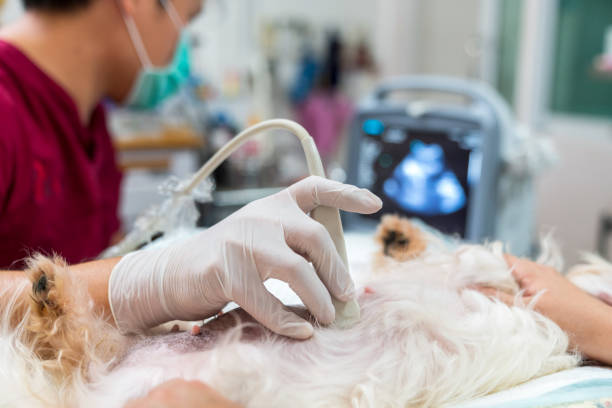
When it comes to the health and well-being of beloved pets, advanced diagnostic tools play a crucial role in ensuring they receive the best care possible. One such tool that has gained significant importance in veterinary medicine is the ultrasound. Pet ultrasounds are non-invasive, pain-free procedures that help veterinarians diagnose and monitor various health conditions in animals. This article explores the many benefits of utilizing ultrasounds for pets, highlighting their significance in modern veterinary practices.
Understanding Pet Ultrasounds
Pet ultrasounds are imaging techniques that use sound waves to create detailed images of the internal organs of animals. This tool is invaluable in veterinary medicine for its ability to provide a clear view of soft tissues, which are not visible on traditional X-rays. Ultrasounds are used to examine organs such as the heart, liver, kidneys, and bladder.
Benefits of Veterinary Ultrasound
- Non-Invasive Procedure: Unlike surgical procedures, ultrasounds do not require incisions, making them a safe choice for diagnosing health issues.
- Real-Time Imaging: Ultrasounds provide real-time imaging, allowing veterinarians to observe the function of organs and blood flow, which aids in accurate diagnosis.
- Pain-Free Experience: The procedure is painless and does not require anesthesia, reducing stress and potential risks for pets.
- Early Detection of Conditions: Ultrasounds can detect abnormalities early, facilitating prompt treatment and better outcomes for pets.
- Cost-Effective: Compared to more invasive diagnostic methods, ultrasounds are generally more affordable and accessible.
Common Applications of Pet Ultrasounds
Ultrasounds are versatile tools used in various diagnostic applications. Here are some common uses:
- Pregnancy Detection: Ultrasounds can confirm pregnancies and monitor fetal health in pregnant animals.
- Organ Evaluation: They help assess the condition of vital organs, identifying issues such as tumors or cysts.
- Guided Biopsies: Veterinarians use ultrasounds to guide biopsy procedures, ensuring precision in tissue sampling.
- Heart Health Monitoring: Echocardiograms, a type of ultrasound, are used to evaluate heart health and function.
Choosing the Right Veterinary Clinic for Pet Ultrasounds
When seeking a clinic for pet ultrasounds, consider the following factors to ensure optimal care for pets:
- Experienced Staff: Choose a clinic with qualified and experienced veterinarians who specialize in ultrasound technology.
- State-of-the-Art Equipment: Ensure the clinic uses modern ultrasound equipment for accurate and detailed imaging.
- Comprehensive Services: Opt for facilities that offer a range of diagnostic services to address all health concerns.
- Positive Reviews: Look for clinics with good reputations and positive reviews from other pet owners.
For those searching for “dog ultrasound near me” or “animal ultrasound near me,” ensuring that the chosen facility meets these standards is crucial.
Conclusion
The advancement of diagnostic tools like veterinary ultrasound has greatly enhanced the ability to care for pets. By providing detailed insights into the internal workings of animals, ultrasounds aid in accurate diagnoses and effective treatment plans. For pet owners, investing in an ultrasound for dogs or other pets can make a significant difference in the health and longevity of their beloved companions. As the demand for pet ultrasounds continues to grow, it highlights the importance of selecting a reputable veterinary clinic to ensure the best possible care.