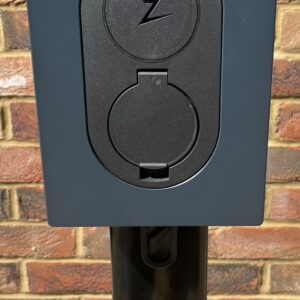
As electric vehicles (EVs) continue to gain popularity, the demand for efficient and convenient charging solutions at home has grown. Installing an EV home charger is a practical step towards enhancing your electric driving experience. This guide provides a comprehensive overview of the installation process, helping homeowners make informed decisions while ensuring safety and efficiency. With the right knowledge and tools, setting up a home charger can be straightforward and rewarding.
Understanding the Basics
Before diving into the installation process, it’s crucial to understand the basics of EV chargers. These devices come in various types and capacities, and selecting the right one is essential for optimal performance.
- Level 1 Chargers: These are standard chargers that use a 120-volt outlet. They are slower compared to other types but can be sufficient for overnight charging.
- Level 2 Chargers: Operating on a 240-volt outlet, these chargers are faster and more efficient. They are the most common choice for home installations.
- Level 3 Chargers: Also known as DC fast chargers, these are generally reserved for commercial use due to their high cost and power requirements.
For more information on the different types of chargers and their specifications, discover expert strategies here.
Preparing for Installation
Before installing an EV charger, some important preparatory steps must be undertaken. Ensuring these prerequisites are met will facilitate a smoother installation process.
1. Assessing Electrical Capacity
Determine if the home’s electrical system can support the additional load of an EV charger. This typically requires a 240-volt circuit and may involve upgrading the electrical panel. Consulting a licensed electrician is recommended to ensure compliance with local codes and safety standards.
2. Selecting the Charger Location
The location of the charger should be accessible and convenient. Consider proximity to the vehicle parking area and the availability of power sources. Weatherproofing and protection from potential hazards are also important considerations.
Explore advanced guides and tips on selecting the ideal location for your EV charger.
Installation Process
The installation of an EV home charger involves several key steps. Each step should be executed with precision to ensure safety and functionality.
1. Mounting the Charging Unit
- Secure the charger to the wall or a dedicated pedestal using the provided hardware.
- Ensure the mounting surface can support the charger’s weight and is stable.
2. Connecting the Electrical Components
- Run conduit from the electrical panel to the charger’s location.
- Connect wiring according to the manufacturer’s instructions, ensuring all connections are tight and secure.
- Install a dedicated circuit breaker for the charger in the main electrical panel.
3. Testing and Activation
- Turn on the circuit breaker and verify that the charger is receiving power.
- Perform a test charge with the vehicle to confirm the system is functioning correctly.
- Check for any error messages or indicators of malfunction on the charger display panel.
For detailed instructions and troubleshooting tips, learn about our tailored solutions.
Post-Installation Considerations
After installation, maintaining the EV charger is crucial for long-term reliability and performance. Regular inspections and cleaning can prevent issues and extend the charger’s lifespan.
- Inspect cables and connectors regularly for wear and damage.
- Ensure the charging unit and its components are kept clean and free of debris.
- Schedule periodic professional maintenance checks to detect potential problems early.
For comprehensive maintenance checklists and expert advice, find out more about this approach.
Installing an EV home charger is a significant upgrade for electric vehicle owners, offering convenience and efficiency in vehicle charging. With careful planning and adherence to safety standards, homeowners can enjoy the benefits of a reliable charging solution tailored to their specific needs.