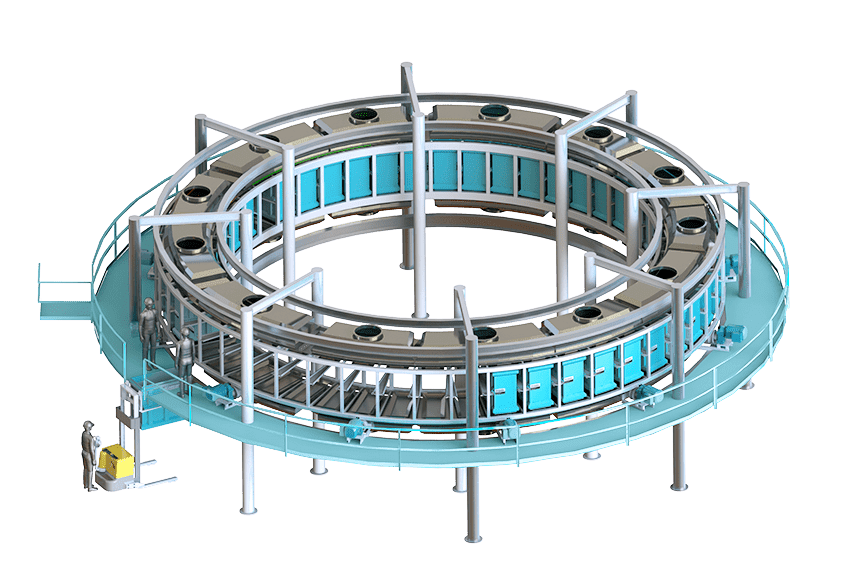
In the face of escalating climate change, innovative technologies such as Direct Air Capture (DAC) are emerging as vital tools in the quest for reducing atmospheric carbon dioxide levels. DAC technology captures CO2 directly from the air, providing a promising solution for mitigating the effects of global warming. As governments and businesses worldwide set ambitious carbon neutrality goals, understanding the impact of DAC technology on carbon sequestering becomes increasingly important. This article delves into the mechanics of DAC, its benefits, challenges, and its role in the broader context of carbon management strategies.
Understanding Direct Air Capture Technology
Direct Air Capture is a process that involves the extraction of carbon dioxide (CO2) from ambient air. Unlike traditional methods that capture emissions at their source, DAC systems are designed to capture CO2 from the open air, thus enabling the reduction of existing atmospheric carbon levels. These systems operate using chemical processes that capture CO2 and then store it securely or utilize it in various applications.
How DAC Works
- Air is drawn into the DAC system where it passes through filters or chemical solutions.
- Carbon dioxide is captured by chemical reactions, often involving solvents or solid sorbents.
- Once captured, CO2 is separated and can be stored underground or used in industrial processes.
- The technology is designed to be energy-efficient, utilizing renewable energy sources where possible.
For more detailed insights into the mechanics of DAC technology, discover expert strategies here.
The Benefits of Direct Air Capture
DAC technology offers several advantages in the fight against climate change. These benefits extend beyond simple carbon reduction and include:
- Scalability: DAC systems can be deployed at various scales, from small pilot projects to large industrial operations.
- Versatility: Captured CO2 can be used in enhanced oil recovery, as a raw material in manufacturing, or stored in geological formations.
- Complementarity: DAC complements other carbon reduction strategies, such as reforestation and emissions reduction, providing a holistic approach to carbon management.
To understand how DAC can be customized to meet specific needs, learn about our tailored solutions.
Challenges in Implementing Direct Air Capture
Despite its potential, the widespread adoption of DAC technology faces several challenges:
- Cost: The current cost of capturing CO2 through DAC is higher than traditional methods, though advancements in technology are gradually reducing these costs.
- Energy Requirements: DAC systems require significant energy inputs, necessitating the use of renewable energy sources to maintain environmental benefits.
- Infrastructure: Establishing the infrastructure for large-scale DAC operations involves logistical and regulatory challenges.
For strategies to navigate these challenges, explore advanced guides and tips.
The Role of DAC in Global Carbon Management
Direct Air Capture is an essential component of the global strategy to achieve carbon neutrality. Its ability to remove CO2 from the atmosphere makes it a critical tool in offsetting emissions that are currently unavoidable. As part of an integrated approach to carbon management, DAC can:
- Help meet national and international emissions targets.
- Provide a means for companies to achieve corporate sustainability goals.
- Support the transition to a low-carbon economy by providing carbon-neutral products and services.
To see how DAC fits into broader carbon management strategies, find out more about this approach.
In conclusion, Direct Air Capture technology holds significant promise for reducing atmospheric CO2 levels and helping to combat climate change. While challenges remain, ongoing research and development are paving the way for more efficient and cost-effective solutions. As the world continues to grapple with the effects of climate change, DAC will undoubtedly play a crucial role in the sustainable future of our planet.