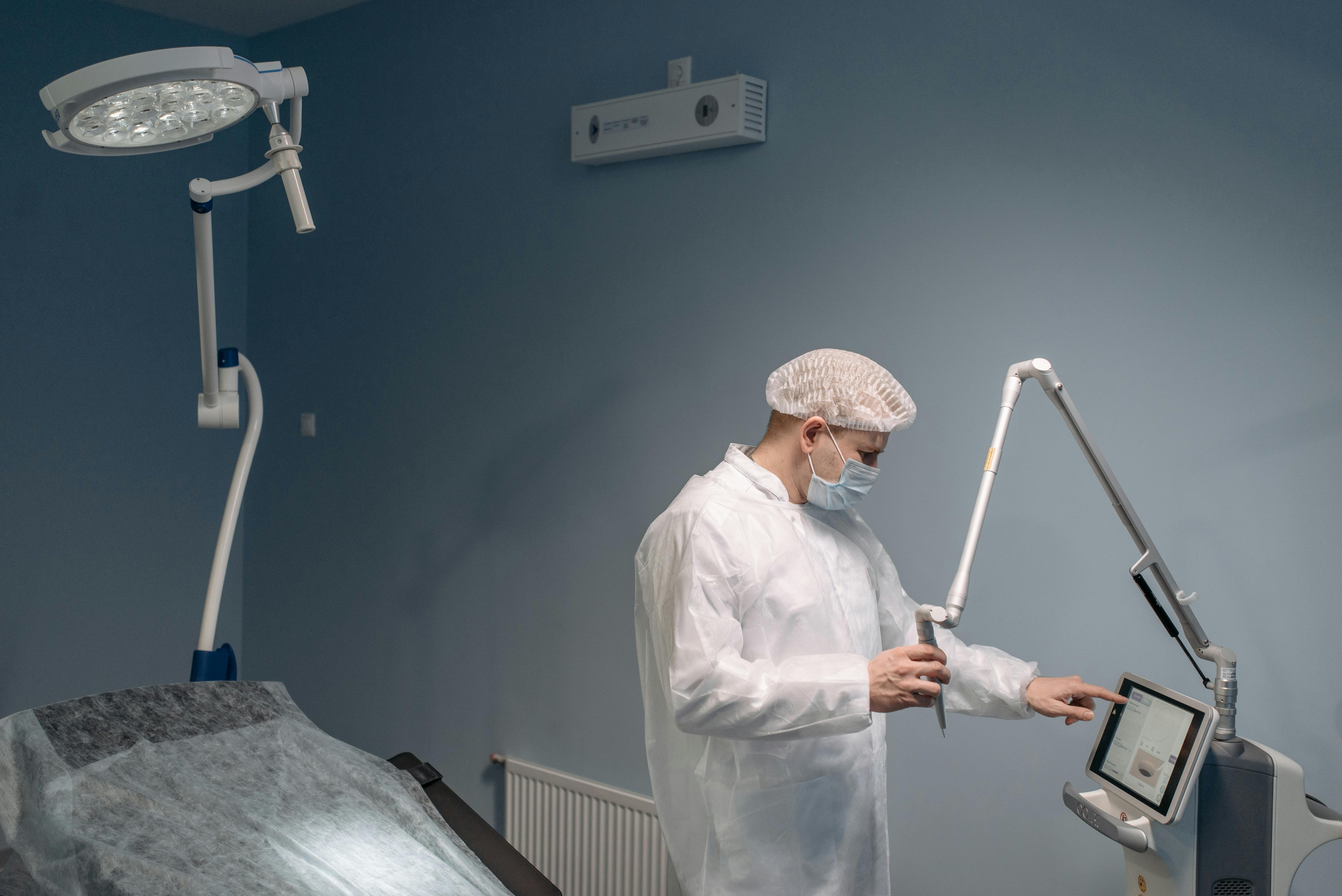
The Importance of Clinical Endoscopy Devices in Healthcare
In the ever-evolving landscape of modern medicine, clinical endoscopy devices have emerged as indispensable tools in the diagnosis and treatment of various medical conditions. These devices play a crucial role in enhancing patient care, improving diagnostic accuracy, and enabling minimally invasive procedures. This article delves into the significance of clinical endoscopy devices, exploring their applications, benefits, and future prospects in healthcare.
Understanding Clinical Endoscopy Devices
What Are Endoscopy Devices?
Endoscopy devices are medical instruments used to examine the interior of a hollow organ or cavity in the body. They consist of a long, flexible tube equipped with a camera and light source, allowing healthcare professionals to visualize internal organs and tissues without the need for large incisions.
Types of Endoscopy Procedures
Endoscopy encompasses a variety of procedures, each tailored to specific medical needs:
- Gastroscopy: Examines the esophagus, stomach, and upper part of the small intestine.
- Colonoscopy: Focuses on the colon and rectum, often used for screening colorectal cancer.
- Bronchoscopy: Inspects the airways and lungs.
- Arthroscopy: Visualizes joints, commonly used for knee or shoulder issues.
The Role of Endoscopy Devices in Healthcare
Enhanced Diagnostic Capabilities
Endoscopy devices significantly improve diagnostic accuracy by providing direct visualization of internal structures. This allows for the early detection of conditions such as cancers, ulcers, and infections. Explore further insights here.
Minimally Invasive Procedures
One of the primary advantages of endoscopy devices is their ability to facilitate minimally invasive procedures. This results in:
- Reduced recovery time for patients.
- Lower risk of complications compared to traditional surgeries.
- Decreased hospital stays, leading to cost savings.
Read more about this topic to understand the broader implications of these benefits.
Therapeutic Applications
Beyond diagnosis, endoscopy devices also enable therapeutic interventions, including:
- Polyp removal during colonoscopy.
- Stent placement to relieve obstructions.
- Tumor ablation in certain cases.
Learn more in this detailed guide about how these therapeutic uses impact patient outcomes.
Future Prospects of Endoscopy Devices
Technological Innovations
Advancements in technology continue to shape the field of endoscopy. Innovations such as high-definition imaging, enhanced lighting, and robotic assistance are paving the way for more precise and effective procedures. Find additional information here on how these technologies are expected to evolve.
Integration with Artificial Intelligence
The integration of artificial intelligence (AI) in endoscopy is another promising development. AI can assist in identifying anomalies more accurately and efficiently, potentially leading to earlier diagnoses and better patient outcomes.
Conclusion
Clinical endoscopy devices are pivotal in modern healthcare, offering significant advancements in diagnosis, treatment, and patient care. As technology continues to evolve, these devices will likely become even more integral to medical practice. For healthcare professionals and patients alike, understanding the capabilities and future potential of endoscopy devices is essential for harnessing their full benefits in the medical field.