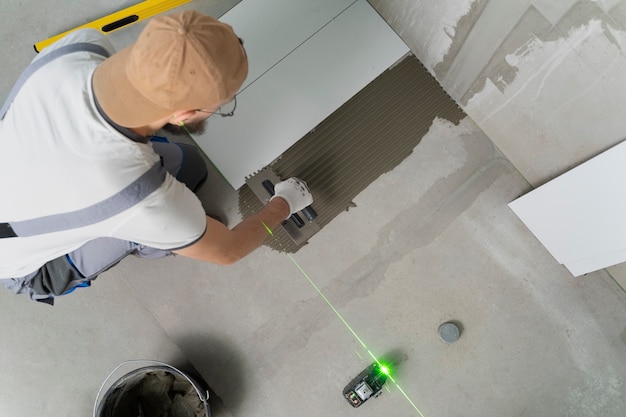
Concrete floors are a popular choice for both residential and commercial properties due to their durability and versatility. However, achieving a perfectly level concrete floor can be a challenging task that requires precision and expertise. Whether you’re preparing a new build or renovating an existing space, understanding the various concrete floor leveling techniques is crucial. This guide provides insights into the best practices and methods to ensure a smooth and level surface, essential for both aesthetics and functionality.
Why Floor Leveling is Important
Level floors are not just a matter of visual appeal; they are fundamental to the structural integrity of a building. Uneven floors can lead to:
- Increased wear and tear on flooring materials.
- Potential tripping hazards.
- Compromised structural stability.
For a comprehensive understanding of concrete leveling, find out more about this approach.
Types of Concrete Floor Leveling Techniques
Several techniques are employed to level concrete floors, each suited to different scenarios and floor conditions. Below are the most common methods:
Self-Leveling Compounds
This method uses a specialized mixture that spreads easily over the floor, creating a smooth and level surface as it cures. It’s ideal for:
- Minor leveling issues.
- Creating a smooth base for floor coverings.
- Quick and efficient applications.
Explore advanced guides and tips on using self-leveling compounds effectively.
Grinding and Polishing
Grinding is used to remove high spots and smooth out the surface, while polishing adds a finished look. This technique is best for:
- Exposing aggregate for a decorative finish.
- Correcting significant unevenness.
- Preparing surfaces for staining or epoxy coatings.
Discover expert strategies here for achieving the best results with grinding and polishing.
Concrete Resurfacing
Resurfacing involves applying a thin layer of new concrete over the existing floor. It’s an excellent choice for:
- Restoring old or damaged concrete floors.
- Achieving a fresh, new look without complete replacement.
- Adding decorative elements like coloring or stamping.
To understand more about resurfacing, learn about our tailored solutions.
Choosing the Right Technique
Selecting the appropriate concrete leveling technique depends on the specific needs of the project, including the extent of the leveling required, the condition of the existing floor, and the desired finish. Consulting with professionals can provide valuable insights and help make informed decisions. Find out more about this approach to ensure your project meets both aesthetic and structural standards.
Conclusion
Achieving a perfectly level concrete floor is a crucial aspect of construction and renovation projects. By understanding and selecting the right leveling techniques, one can ensure a durable, safe, and visually appealing outcome. For expert guidance and comprehensive solutions, explore advanced guides and tips.