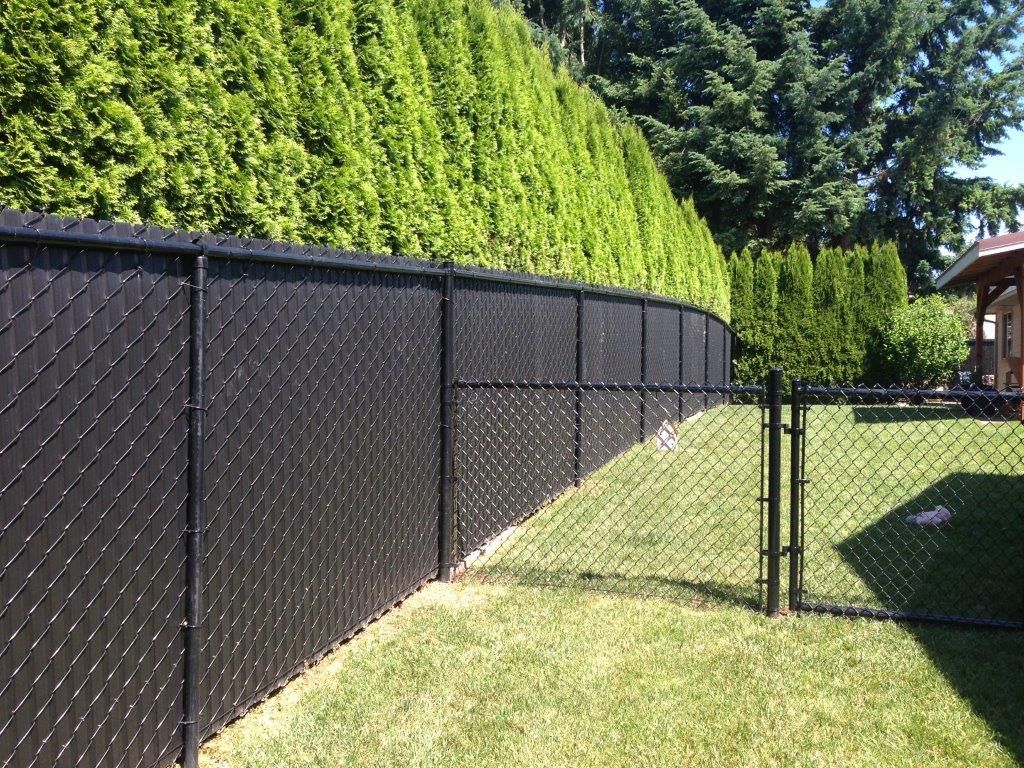
Chain link fences serve as a versatile solution for residential, commercial, and industrial properties, providing security, durability, and cost-effectiveness. Whether safeguarding a construction site or delineating boundaries, the installation of chain link fences requires careful planning and execution. This guide presents a comprehensive overview of the key considerations and steps involved in chain link fence installation, enabling a successful and efficient setup.
Planning and Preparation
Effective planning is crucial for a seamless fence installation process. Begin by assessing the site and determining the fence’s purpose, which will influence material selection and design. Consider the following steps:
- Conduct a thorough site survey to identify any obstacles and measure the perimeter accurately.
- Check local zoning laws and regulations to ensure compliance with height and boundary requirements.
- Determine the fence height and gauge based on the level of security needed.
- Identify the necessary permits and acquire them before commencing installation.
Materials and Tools
Selecting high-quality materials and the right tools is essential for a durable chain link fence. Essential materials and tools include:
- Galvanized chain link fabric
- Fence posts and top rails
- Concrete mix for post setting
- Post hole digger or auger
- Tension bars and bands
- Fence pliers and wire cutters
Discover expert strategies here for choosing the right materials for specific site conditions.
Installation Process
Setting the Posts
The foundation of a robust chain link fence lies in properly set posts. Follow these steps for effective post installation:
- Use a post hole digger to excavate holes to a depth of at least one-third the height of the fence.
- Position the posts and pour concrete into the holes, ensuring they are level and aligned.
- Allow the concrete to cure for 24-48 hours before proceeding with the installation.
Attaching the Chain Link Fabric
Properly attaching the chain link fabric ensures the fence’s durability and effectiveness:
- Unroll the chain link fabric along the fence line, ensuring it is straight and taut.
- Secure the fabric to the posts using tension bars and bands, starting at one corner post.
- Use fence pliers to tighten the fabric and attach it to the top rail for added support.
Explore advanced guides and tips here to enhance installation precision.
Final Touches and Maintenance
After installation, conduct a thorough inspection to ensure the fence is secure and properly aligned. Regular maintenance is key to prolonging the fence’s lifespan:
- Routinely check for any signs of wear or damage, particularly after severe weather conditions.
- Apply protective coatings to prevent rust and corrosion.
- Trim vegetation around the fence to prevent damage and maintain aesthetics.
Find out more about this approach here to maintain your chain link fence.
Conclusion
Installing a chain link fence is a strategic investment in property security and functionality. By following a structured approach and utilizing quality materials, the installation process can be both efficient and successful. For those seeking tailored solutions and professional guidance, consider exploring tailored solutions here.