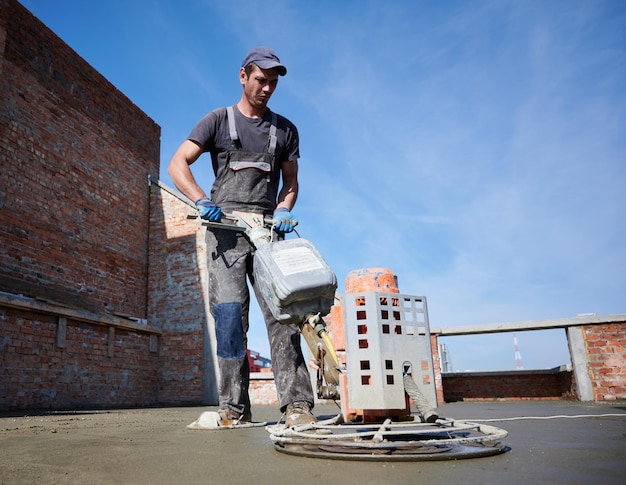
Concrete structures are integral to modern construction, offering strength and durability. However, without proper waterproofing, these structures can suffer from water damage, leading to deterioration and increased maintenance costs. Effective concrete waterproofing not only extends the lifespan of construction projects but also enhances safety and performance. This article provides expert tips for achieving optimal waterproofing results, ensuring that concrete structures remain robust and reliable over time.
Understanding the Importance of Concrete Waterproofing
Waterproofing is a critical step in protecting concrete from water infiltration, which can lead to issues such as cracks, spalling, and corrosion of reinforcement bars. The importance of concrete waterproofing cannot be overstated, as it:
- Prevents structural damage and extends the life of the building.
- Minimizes repair costs by reducing the likelihood of water-induced issues.
- Enhances the aesthetic appeal by preventing unsightly water stains and mold growth.
- Improves indoor air quality by preventing moisture-related problems.
Choosing the Right Waterproofing Method
Selecting an appropriate waterproofing method is crucial for effective protection. Various techniques are available, each with its advantages and applications. Learn about tailored solutions for different construction needs.
1. Membrane Waterproofing
Membrane waterproofing involves applying a protective layer over the concrete surface. This method is particularly effective for flat surfaces and roofs. Key considerations include:
- Selection of suitable membrane materials like bituminous, liquid, or polyurethane membranes.
- Ensuring proper adhesion and uniform application to prevent gaps.
- Regular maintenance checks to address wear and tear.
2. Integral Waterproofing
Integral waterproofing involves adding waterproofing admixtures directly into the concrete mix. This method offers long-term protection and is less labor-intensive. Discover advanced guides and tips for implementing integral waterproofing effectively.
Applying Waterproofing Techniques
The application of waterproofing techniques requires precision and expertise. Here are some pointers to ensure effective implementation:
1. Surface Preparation
Proper surface preparation is essential for successful waterproofing. This includes:
- Thorough cleaning of the surface to remove debris, dust, and oil.
- Repairing any existing cracks or damages to ensure a smooth base.
- Allowing the surface to dry completely before application.
2. Application Techniques
The choice of application technique can significantly impact the effectiveness of waterproofing. Consider the following:
- Use of sprayers or rollers for even distribution of liquid membranes.
- Ensuring adequate coverage and thickness according to manufacturer guidelines.
- Implementing proper curing times to allow the waterproofing layer to set.
Regular Maintenance and Inspection
To ensure long-lasting results, regular maintenance and inspections are vital. Find out more about this approach to maintain structural integrity.
- Schedule routine inspections to detect early signs of wear or damage.
- Perform periodic cleaning to prevent the buildup of debris and contaminants.
- Address issues promptly to prevent escalation and costly repairs.
Conclusion
Concrete waterproofing is an essential aspect of construction that demands careful planning and execution. By understanding the importance of waterproofing, choosing the right methods, and ensuring diligent application and maintenance, the longevity and durability of concrete structures can be significantly enhanced. Discover expert strategies here to achieve superior waterproofing results and safeguard investments in concrete infrastructure.