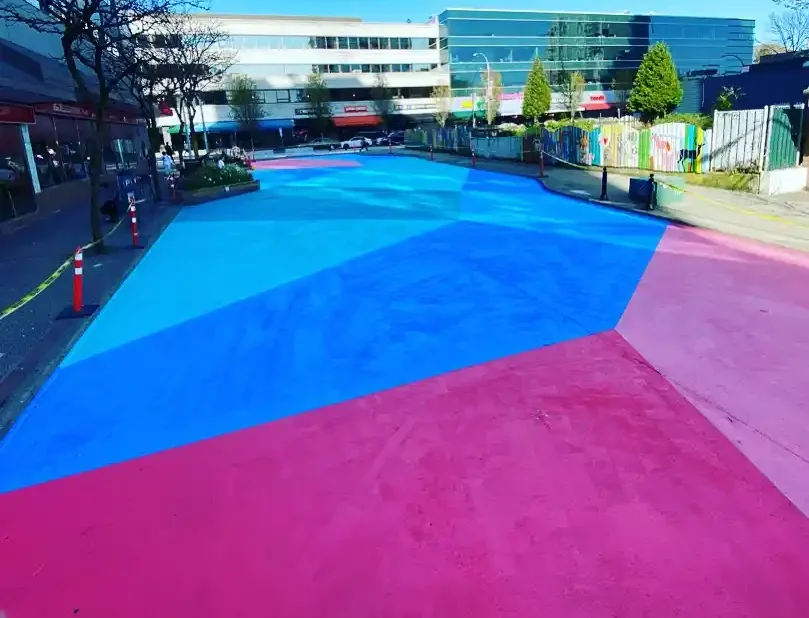
Parking lots are the first impression a business makes on its visitors, and the clarity of traffic lines plays a crucial role in safety, efficiency, and overall customer experience. Properly painted markings guide drivers, protect pedestrians, and maximize the usable space within a lot. When the lines fade or are applied incorrectly, the result can be confusion, accidents, and costly liability issues. Understanding why traffic line painting matters, and how to implement it correctly, helps property managers maintain a professional environment while complying with local regulations.
Why Precise Line Painting Matters
The primary purpose of traffic line painting is to create visual cues that direct vehicle movement. These cues reduce the likelihood of collisions and improve the flow of traffic, especially during peak hours. In addition to safety, well-defined markings contribute to:
- Space optimization: Accurate lines allow more vehicles to be accommodated without compromising maneuverability.
- Regulatory compliance: Many municipalities require specific dimensions and colors for parking stalls, fire lanes, and handicap spaces.
- Brand perception: A tidy, clearly marked lot reflects an organization’s attention to detail and professionalism.
Safety Benefits
Clear demarcations separate traffic lanes, pedestrian walkways, and loading zones, which reduces the risk of side-swipes and pedestrian-vehicle incidents. Studies show that well-maintained markings can lower accident rates by up to 30″?%. For facilities that host high foot traffic, such as shopping centers or hospitals, this reduction is especially critical.
Operational Efficiency
When drivers can quickly locate an available space or understand the flow of traffic, turnover increases. Faster parking and departure times mean less congestion and lower emissions, contributing to a greener operation.
Key Elements of Effective Parking Lot Markings
Not all paint jobs are created equal. The following elements distinguish a high-quality traffic line system from a mediocre one:
- Durable material: Polyurea and epoxy-based paints resist UV degradation, oil spills, and heavy traffic.
- Correct color palette: Yellow for fire lanes, white for standard stalls, and blue for handicap spaces are industry standards.
- Accurate dimensions: Stall widths, aisle widths, and line thickness must meet local codes.
- Proper surface preparation: Cleaning, degreasing, and repairing cracks before painting ensures adhesion and longevity.
- Regular maintenance schedule: Repainting every 3-5 years, or sooner in high-traffic areas, keeps markings visible.
Choosing the Right Painting Approach
Several methods are available, each with its own advantages. Selecting the appropriate technique depends on climate, traffic volume, and budget constraints.
Thermoplastic Markings
Thermoplastic is applied hot and solidifies into a durable, reflective surface. It is ideal for high-traffic areas and offers excellent resistance to wear. Discover expert strategies here.
Water-Based Paints
Water-based options are environmentally friendly and dry quickly, making them suitable for projects with limited downtime. While not as long-lasting as thermoplastic, they provide sufficient performance for many commercial lots. Learn about our tailored solutions.
Epoxy and Polyurea Coatings
These coatings combine flexibility with high resistance to chemicals and UV exposure. They are often chosen for industrial facilities where heavy equipment traverses the lot. Explore advanced guides and tips.
Implementing a Maintenance Plan
A proactive maintenance plan extends the life of line markings and protects the investment. Consider the following steps:
- Conduct quarterly inspections to identify fading or cracking.
- Document problem areas with photographs and notes.
- Schedule touch-up painting before markings become illegible.
- Keep a log of all maintenance activities for compliance reporting.
By staying ahead of wear, property managers avoid costly emergency repaints and maintain a safe environment for all users. Find out more about this approach.
Regulatory Considerations
Municipal bylaws and accessibility standards dictate specific requirements for parking lot markings. Common regulations include:
- Minimum width for handicap stalls (typically 8-10″?feet).
- Clear signage and painted symbols for disabled parking.
- Fire lane markings that must remain unobstructed at all times.
- Reflective paint in areas with low visibility or nighttime traffic.
Non-compliance can result in fines and increased liability. Consulting local codes before beginning a painting project ensures that all markings meet legal expectations.
Conclusion
Traffic line painting is far more than an aesthetic choice; it is a fundamental component of safety, efficiency, and brand reputation for any parking facility. By selecting durable materials, adhering to proper dimensions, and establishing a regular maintenance routine, property owners can create a well-organized environment that serves both drivers and pedestrians. For those seeking deeper insight into best practices, the resources available at Coastline Painting provide comprehensive guidance that aligns with industry standards and local regulations.