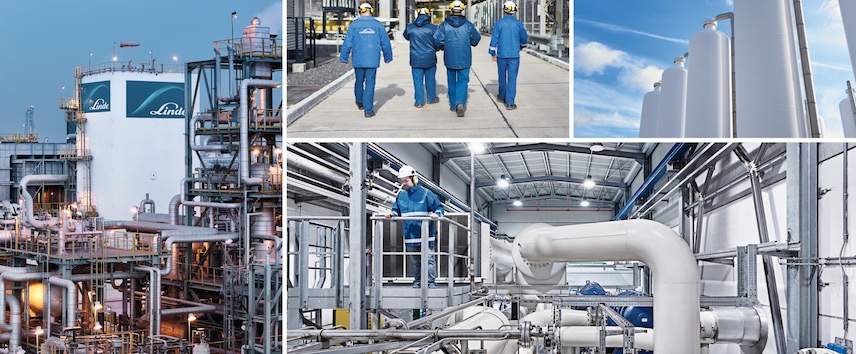
The growing concern over climate change has prompted industries worldwide to explore innovative solutions for reducing carbon emissions. One such promising development is the establishment of industrial carbon capturing plants. These facilities are designed to capture and store carbon dioxide (CO2) emissions, preventing them from entering the atmosphere. The implementation of these plants is a crucial step in mitigating the effects of global warming and fostering a sustainable future.
Understanding Industrial Carbon Capturing
An industrial carbon capturing plant operates by collecting CO2 emissions from industrial processes, such as power generation and manufacturing. The captured CO2 is then either stored underground or used in various industrial applications. This technology not only helps reduce greenhouse gas emissions but also contributes to the circular economy by providing a source of CO2 for industries like food and beverage, where it is used for carbonation.
Key Components of Carbon Capturing Plants
- Capture Technology: The capture process involves separating CO2 from other gases. Technologies such as pre-combustion, post-combustion, and oxy-fuel combustion are commonly used.
- Transportation: Once captured, CO2 must be transported to storage sites or end-users. This is typically done via pipelines.
- Storage and Utilization: CO2 can be stored in geological formations or used in applications such as enhanced oil recovery or as a raw material in chemical manufacturing.
Benefits of Carbon Capturing Plants
Carbon capturing plants offer numerous benefits that extend beyond environmental impact. Here are some of the key advantages:
Environmental Benefits
- Reduction in Greenhouse Gases: By capturing CO2 emissions, these plants significantly reduce the amount of greenhouse gases released into the atmosphere.
- Support for Climate Goals: Carbon capture aligns with global climate goals, aiding countries and industries in meeting their carbon reduction targets.
Economic Advantages
- Creation of New Markets: The captured CO2 can be used in various industries, creating new market opportunities and stimulating economic growth.
- Job Creation: The development and operation of co2 industrial plant facilities create jobs in construction, engineering, and operations.
Technological Innovation
- Advancement in Capture Technologies: The continuous development of new capture technologies enhances efficiency and reduces costs, making carbon capture more viable.
- Integration with Renewable Energy: These plants can be integrated with renewable energy sources, further reducing reliance on fossil fuels.
Challenges and Considerations
Despite the promising potential, the implementation of carbon capturing plants is not without challenges. These include:
- High Initial Costs: The setup and maintenance of co2 industrial liquefaction plants require significant investment.
- Technological Barriers: The efficiency of current capture technologies needs improvement to make the process more economically feasible.
- Regulatory and Policy Support: Successful deployment requires strong policy frameworks and incentives to encourage investment in carbon capture projects.
Future Prospects
The future of co2 industrial capture plant technology is promising, as ongoing research and development continue to enhance its feasibility and effectiveness. As more industries recognize the importance of reducing carbon footprints, the demand for carbon capture solutions is expected to grow. Collaborative efforts among governments, industries, and research institutions will be crucial in overcoming current challenges and advancing this vital technology.
In conclusion, the exploration and development of industrial carbon capturing plants represent a significant stride towards addressing climate change. By mitigating CO2 emissions and supporting economic growth, these facilities play a vital role in paving the way for a more sustainable and resilient future.