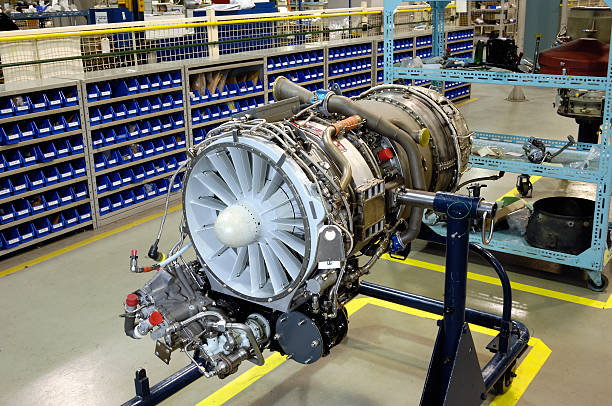
In the quest for more efficient and effective power generation, the industry is continuously exploring innovative strategies. One such method involves leveraging temperature increases to enhance the performance of power generation systems. By understanding and applying advances in temperature management, plants can achieve significant power augmentation and improve overall efficiency.
Understanding the Role of Temperature in Power Generation
Temperature plays a critical role in the efficiency and output of power generation systems. Higher temperatures can lead to increased energy production, as they often enhance the thermal efficiency of turbines and other components. This improvement is primarily due to the following reasons:
- Thermodynamic Efficiency: Higher temperatures typically improve the thermodynamic efficiency of power cycles, resulting in more energy being converted from fuel into usable electricity.
- Material Advancements: Modern materials and technology enable equipment to withstand higher temperatures, thus pushing the limits of traditional power generation systems.
- Enhanced Combustion: Increased temperatures can lead to more complete combustion processes, reducing waste and improving energy output.
Methods to Achieve Temperature Increases
There are several approaches to achieve higher temperature operation in power generation systems. These approaches include both technological advancements and process optimizations:
Technological Innovations
Recent developments in materials science and engineering have paved the way for equipment that can operate at higher temperatures. These innovations include:
- Advanced Turbine Blades: Utilizing new alloys and ceramic coatings to withstand higher temperatures without degradation.
- Improved Insulation: Enhanced insulation materials that retain heat more effectively, allowing systems to maintain higher internal temperatures.
- High-Performance Components: Upgrading components to endure higher firing temperature increases, which contribute to overall system efficiency.
Process Optimization
In addition to technological advancements, optimizing existing processes can contribute to effective temperature management:
- Combustion Process Optimization: Adjusting air-fuel ratios and combustion chamber designs to maximize heat output.
- Regular System Maintenance: Ensuring that all components are functioning at their best to prevent heat loss and maintain optimal performance.
- Monitoring and Control Systems: Implementing advanced monitoring systems to continuously track temperature and make real-time adjustments.
Benefits of Temperature Management in Power Generation
Implementing strategies to manage and increase temperatures in power generation can yield numerous benefits:
- Increased Efficiency: Higher temperatures often result in improved thermal efficiency, translating to more electricity produced per unit of fuel consumed.
- Reduced Emissions: Enhanced combustion processes can lead to lower emissions, contributing to cleaner and more sustainable energy production.
- Cost Savings: Improved efficiency and reduced fuel consumption can lead to significant cost savings over the lifetime of the equipment.
- Extended Equipment Life: With the right materials and maintenance, equipment can operate effectively at higher temperatures without premature wear and tear.
Challenges and Considerations
While increasing temperatures in power generation systems offers many advantages, it also presents challenges that must be carefully managed:
- Material Limitations: Not all materials can withstand higher temperatures, necessitating careful selection and engineering.
- System Complexity: More sophisticated systems may require additional training and expertise to operate and maintain.
- Environmental and Regulatory Constraints: Adhering to environmental standards while pursuing output temperature increases is essential.
In conclusion, by effectively managing and increasing temperatures, power generation facilities can significantly enhance their performance and sustainability. This approach requires a blend of cutting-edge technology, strategic process improvements, and a keen awareness of operational and environmental constraints. As the industry continues to evolve, these strategies will remain crucial in the pursuit of more efficient and responsible energy production.