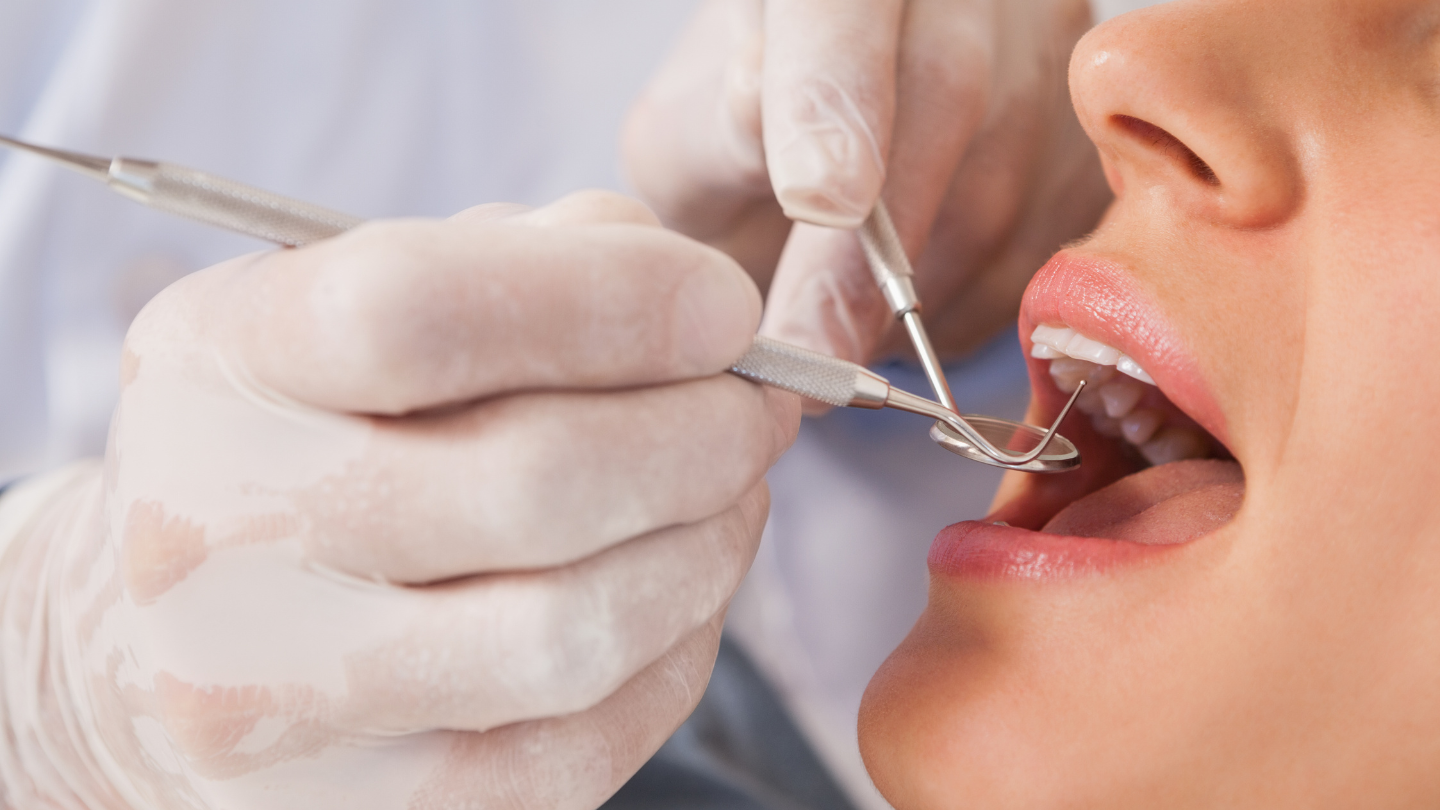
Restorative dentistry is a specialized branch of dental care that focuses on the diagnosis, prevention, and treatment of oral diseases, aiming to restore the functionality and aesthetics of the mouth. This field encompasses a wide range of procedures, each tailored to repair damaged teeth and replace missing ones, thereby improving overall oral health. By leveraging advanced techniques and materials, restorative dentistry not only addresses dental issues but also enhances the quality of life for individuals by restoring their confidence and ability to eat and speak properly.
What is Restorative Dentistry?
Restorative dentistry involves various procedures designed to replace or repair damaged or missing teeth. It caters to a broad spectrum of dental issues, ensuring that patients regain optimal oral health and function. The primary goal is to restore the mouth to its natural state, promoting long-term oral health.
- Restorative dentistry covers treatments ranging from simple fillings to complex full mouth reconstructions.
- It includes procedures like dental implants, crowns, bridges, and dentures, each tailored to specific dental needs.
- The use of advanced materials and techniques ensures durable and aesthetically pleasing outcomes.
Common Restorative Procedures
Dental Fillings
Dental fillings are among the most common restorative procedures used to repair teeth affected by decay. The decayed portion is removed, and the cavity is filled with materials such as composite resins, amalgam, or porcelain. This not only restores the tooth’s function but also prevents further decay.
Crowns and Bridges
Crowns are custom-made caps placed over damaged or decayed teeth to restore their shape, size, and strength. Bridges, on the other hand, are used to replace one or more missing teeth by anchoring to adjacent healthy teeth or dental implants. Both crowns and bridges play a crucial role in maintaining the alignment of the teeth and the overall integrity of the dental arch.
Dental Implants
Dental implants are a popular and effective solution for replacing missing teeth. They involve the surgical placement of a titanium post into the jawbone, which acts as a root for the artificial tooth. Dental implants are favored for their durability and ability to mimic the natural look and feel of real teeth, providing a long-term solution for tooth loss.
Root Canal Therapy
Root canal therapy is a procedure designed to save a severely infected or damaged tooth. The process involves removing the infected pulp, cleaning the tooth’s interior, and sealing it to prevent further infection. This treatment alleviates pain and preserves the natural tooth, avoiding the need for extraction.
The Benefits of Restorative Dentistry
The advantages of restorative dentistry extend beyond mere aesthetics. Here are some key benefits:
- Enhanced oral function, enabling better chewing and speaking abilities.
- Prevention of further dental issues and maintenance of oral health.
- Improved appearance and self-esteem with a restored smile.
- Long-term cost savings by addressing dental issues promptly and effectively.
Conclusion
Restorative dentistry plays a vital role in transforming oral health, offering a range of solutions to restore and enhance the functionality and aesthetics of the teeth. Whether dealing with decay, damage, or tooth loss, restorative dentistry provides comprehensive treatments to address these challenges. By understanding the various restorative dentistry options available, individuals can make informed decisions about their dental care, ensuring a lifetime of healthy smiles.