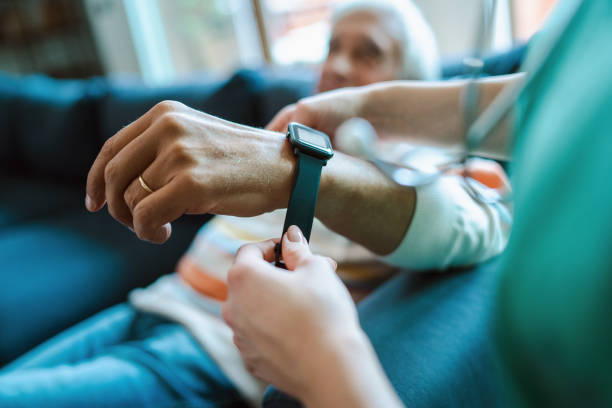
In the rapidly evolving realm of clinical trials, the integration of technology has become pivotal in enhancing efficiency and reliability. Wearable sensors, in particular, have emerged as a revolutionary tool in this landscape, offering unprecedented opportunities to streamline processes and improve data quality. These devices, capable of capturing real-time physiological data, provide a continuous flow of information that can significantly enhance the quality and accuracy of clinical trials. By leveraging wearable technology, clinical researchers can obtain more comprehensive insights into patient health and treatment outcomes, ultimately accelerating the development of new therapies.
The Advantages of Wearable Sensors in Clinical Trials
Wearable sensors offer several advantages that make them an invaluable asset in the context of clinical trials:
- Continuous Monitoring: Wearables provide continuous data collection, enabling researchers to monitor participants around the clock. This ensures that data is not only comprehensive but also accurate, as it reduces the reliance on self-reported information.
- Improved Patient Compliance: By minimizing the need for frequent hospital visits, wearables can significantly enhance patient compliance. Participants are more likely to remain engaged in the study if it conveniently fits into their daily lives.
- Real-time Data Access: Researchers can access real-time data, allowing for quicker adjustments and interventions. This real-time access enhances decision-making capabilities and can lead to more timely insights.
- Cost-Efficiency: By reducing the need for extensive in-person consultations and laboratory tests, wearable technology can lead to considerable cost savings.
For those looking to delve deeper into the advantages of wearable technology in clinical settings, discover expert strategies here.
Challenges and Considerations
Despite the numerous benefits, there are also challenges associated with the integration of wearable sensors in clinical trials:
- Data Privacy and Security: With continuous data collection comes the responsibility to protect patient data. Ensuring robust data security measures is essential to maintain participant trust.
- Data Integration: Integrating data from various wearable devices into a cohesive dataset can be complex. It requires sophisticated software solutions to ensure data consistency and accuracy.
- Regulatory Hurdles: Navigating the regulatory landscape can be challenging, as guidelines for wearable technology in clinical trials are still evolving.
For more insights into overcoming these challenges, learn about our tailored solutions.
Future Prospects of Wearable Technology in Clinical Trials
The future of wearable sensors in clinical trials looks promising, with several exciting developments on the horizon:
Advanced Data Analytics
As wearable technology continues to advance, so too does the capacity for sophisticated data analytics. Enhanced algorithms and artificial intelligence are being utilized to extract meaningful insights from vast datasets, further refining the accuracy and efficacy of clinical trials.
To explore more about these advanced analytical techniques, explore advanced guides and tips.
Integration with Other Technologies
The integration of wearable sensors with other emerging technologies, such as telemedicine and electronic health records, promises to create a more holistic and interconnected healthcare ecosystem. This synergy can facilitate more comprehensive patient monitoring and personalized treatment plans.
Find out more about this approach by visiting this resource.
Conclusion
Wearable sensors are revolutionizing the efficiency of clinical trials by offering continuous, real-time data collection and improving patient compliance. While there are challenges to overcome, such as ensuring data privacy and navigating regulatory requirements, the benefits are substantial. As technology continues to evolve, the integration of wearable sensors with advanced analytical tools and other healthcare technologies will further enhance the potential of clinical trials. Embracing these innovations will not only streamline processes but also accelerate the development of new and effective medical treatments.