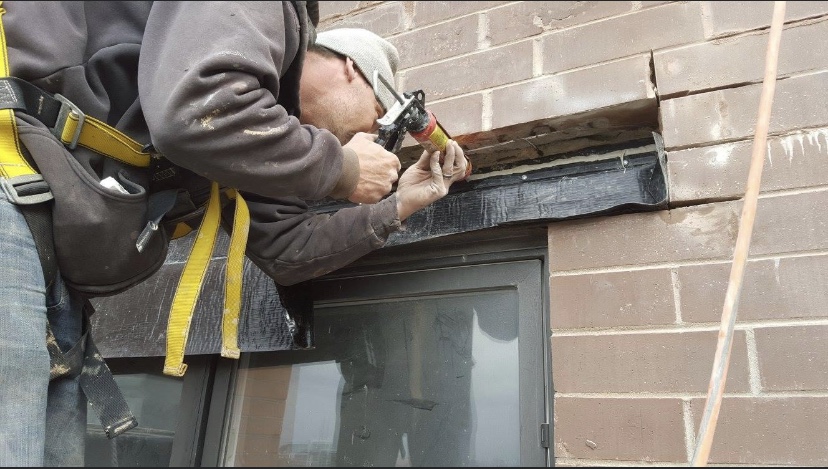
Lintel replacement is a crucial part of home maintenance that ensures the longevity and structural integrity of a building. Homeowners may not frequently consider the importance of lintels, yet these structural beams play a critical role in supporting the weight of the building above windows and doors. Over time, lintels can deteriorate due to various factors, leading to potential structural issues. Understanding the process of lintel replacement, including key considerations and steps, can empower homeowners to make informed decisions about their property maintenance.
Understanding the Role of Lintels
Lintels serve as the horizontal support for structures above openings such as windows and doors. They distribute the load from above, ensuring that the building remains stable. Without proper lintel support, the integrity of the structure can be compromised, leading to cracks in walls and other significant damages.
Common Causes of Lintel Deterioration
- Exposure to moisture leading to rust or corrosion, especially in steel lintels.
- Natural aging and wear over time.
- Poor initial installation or use of substandard materials.
- Inadequate maintenance and inspection.
Signs That Lintel Replacement Is Needed
Recognizing the signs of lintel failure is critical in preventing further damage. Key indicators include:
- Visible cracks above windows or doors.
- Doors and windows that are difficult to open or close.
- Rust stains or visible corrosion on steel lintels.
- Brickwork or masonry shifts or displacements.
For more detailed guidance on identifying these issues, homeowners can discover expert strategies here.
Key Considerations for Lintel Replacement
Choosing the Right Materials
The choice of materials is paramount in lintel replacement. Options include steel, reinforced concrete, and stone, each with its benefits and drawbacks:
- Steel: Durable and strong, ideal for larger spans but susceptible to rust if not properly protected.
- Reinforced Concrete: Good for fire resistance and longevity, though heavier and requiring more support.
- Stone: Offers a traditional aesthetic, suitable for historic buildings but generally more expensive and labor-intensive.
To learn about our tailored solutions for selecting materials, homeowners can explore further resources.
Professional Assessment and Installation
Engaging a professional for lintel replacement is crucial. An expert will ensure:
- Accurate assessment of the extent of damage and required repairs.
- Proper installation techniques that adhere to building codes and standards.
- Minimal disruption to the existing structure and aesthetic.
Homeowners can explore advanced guides and tips on selecting the right professionals for this task.
Maintenance and Prevention
Regular maintenance and timely inspections can prevent lintel deterioration. Homeowners should consider:
- Regularly inspecting for signs of wear and tear.
- Ensuring proper drainage and protection from moisture.
- Using protective coatings on steel lintels to prevent rust.
For additional insights on maintaining lintels, find out more about this approach to proactive home care.
In conclusion, understanding the importance of lintels and the implications of their deterioration is essential for maintaining a safe and stable home. By recognizing the signs of damage, choosing the right materials, and ensuring professional installation, homeowners can safeguard their properties effectively. Regular maintenance further ensures the longevity of lintels, preventing costly repairs and preserving the structural integrity of the building.