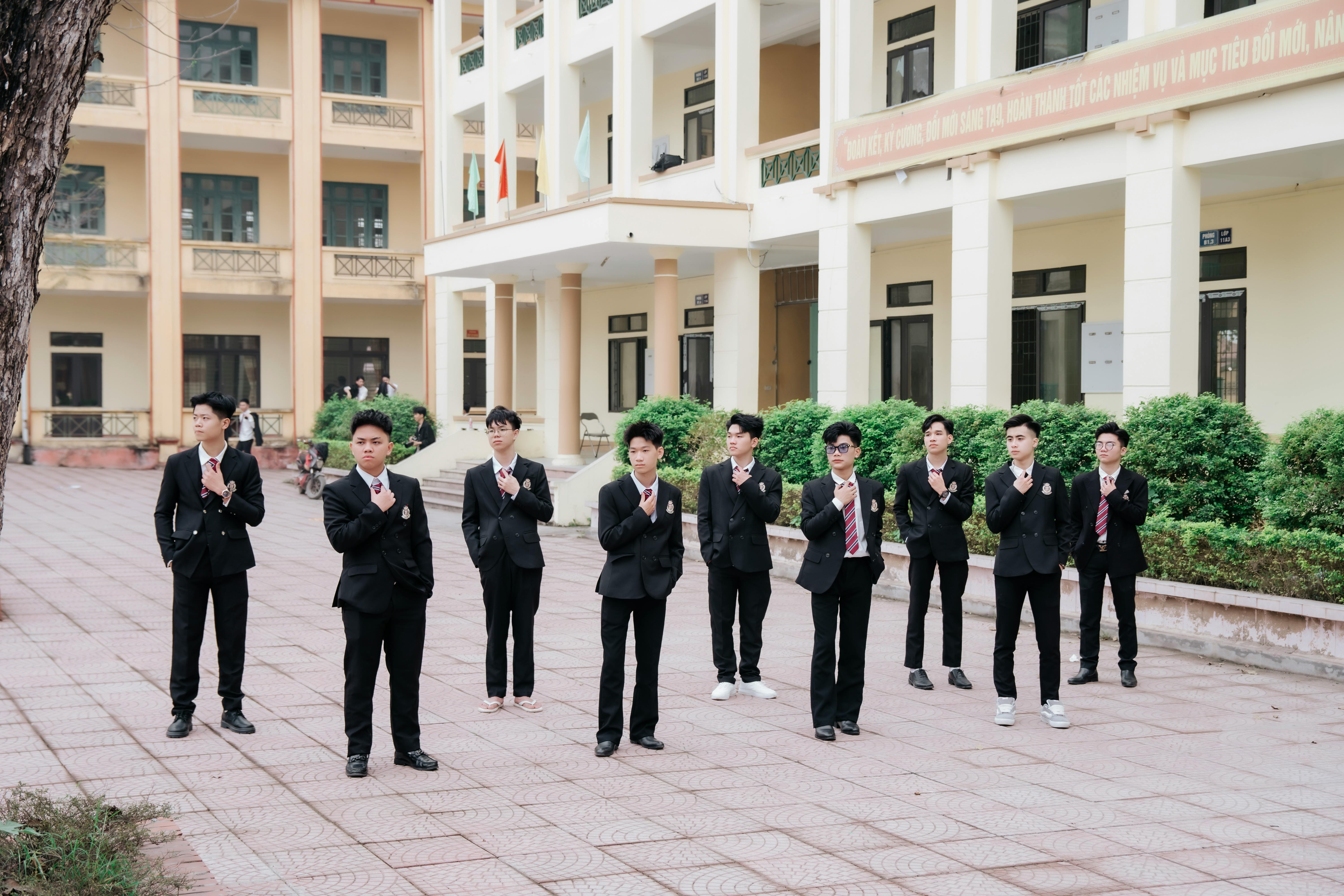
Private secondary schools have long been recognized for delivering an education that goes beyond the standard curriculum. By combining rigorous academics with a nurturing environment, these institutions create a setting where students can thrive both intellectually and personally. The following sections explore the key benefits that distinguish private secondary schools from their public counterparts, highlighting how families can make informed decisions about their child’s educational journey.
Academic Excellence
One of the most compelling reasons parents consider private secondary schools is the consistent track record of high academic performance. Smaller class sizes and selective admissions enable a focused learning experience that often translates into superior test scores and university acceptance rates.
- Low student-to-teacher ratios allow for individualized attention.
- Curricula are frequently updated to reflect the latest educational standards and innovations.
- Advanced placement, International Baccalaureate, and specialized honor programs are readily available.
- Teachers often hold advanced degrees and receive ongoing professional development.
For educators seeking proven methods to raise achievement, Discover expert strategies here. The resource offers research-backed techniques that many private schools integrate into daily instruction.
Personalized Learning Environment
Private schools excel at tailoring education to each student’s strengths, weaknesses, and interests. This personalized approach not only improves academic outcomes but also fosters a love of learning that lasts a lifetime.
Individualized Instruction
- Personal learning plans are crafted for every student.
- Regular assessments guide instructional adjustments.
- Mentorship programs pair students with faculty or senior peers.
Support Services
- On-site counseling for academic, social, and emotional needs.
- Special education resources tailored to diverse learning styles.
- Enrichment programs such as language immersion, robotics, and arts.
Educators interested in customized instructional models can Learn about our tailored solutions. The site presents case studies that illustrate effective personalization in action.
Robust Extracurricular Programs
Beyond the classroom, private secondary schools often provide a breadth of extracurricular activities that nurture leadership, creativity, and teamwork. Participation in these programs builds skills that are highly valued by colleges and future employers.
- Competitive athletics with professional coaching staff.
- Performing arts ensembles, including theater, choir, and orchestra.
- Student-run clubs covering STEM, debate, community service, and entrepreneurship.
- International exchange programs that broaden cultural perspectives.
For a deeper dive into building high-impact extracurricular offerings, Explore advanced guides and tips. The material outlines best practices for program development and student engagement.
College Preparation and Counseling
The transition from secondary education to higher education is a critical phase. Private schools typically invest heavily in college counseling services that demystify the application process and align student aspirations with suitable institutions.
- Dedicated college counselors begin guidance as early as sophomore year.
- Workshops on essay writing, interview skills, and financial aid.
- Access to alumni networks for mentorship and internship opportunities.
- Data-driven tracking of application timelines and deadlines.
Students and families seeking comprehensive preparation resources can Find out more about this approach. The portal offers templates, timelines, and success stories from recent graduates.
Community, Values, and Networking
Private secondary schools often cultivate a strong sense of community grounded in shared values and traditions. This environment not only supports personal growth but also creates lasting professional networks.
- Parent-teacher associations encourage collaborative decision-making.
- Annual events celebrate cultural diversity and school heritage.
- Alumni associations provide lifelong connections and career resources.
- Service learning projects instill a commitment to social responsibility.
To understand how community engagement can be leveraged for long-term success, explore the insights available at Discover expert strategies here. The site showcases examples of schools that have built vibrant, supportive ecosystems.
Conclusion
Choosing a private secondary school involves weighing a variety of factors, from academic rigor to extracurricular breadth and college readiness. The advantages outlined above demonstrate how these institutions can provide a holistic education that prepares students for the challenges of higher education and beyond. By aligning with schools that prioritize personalized learning, robust support services, and strong community values, families position their children for sustained achievement and fulfillment.