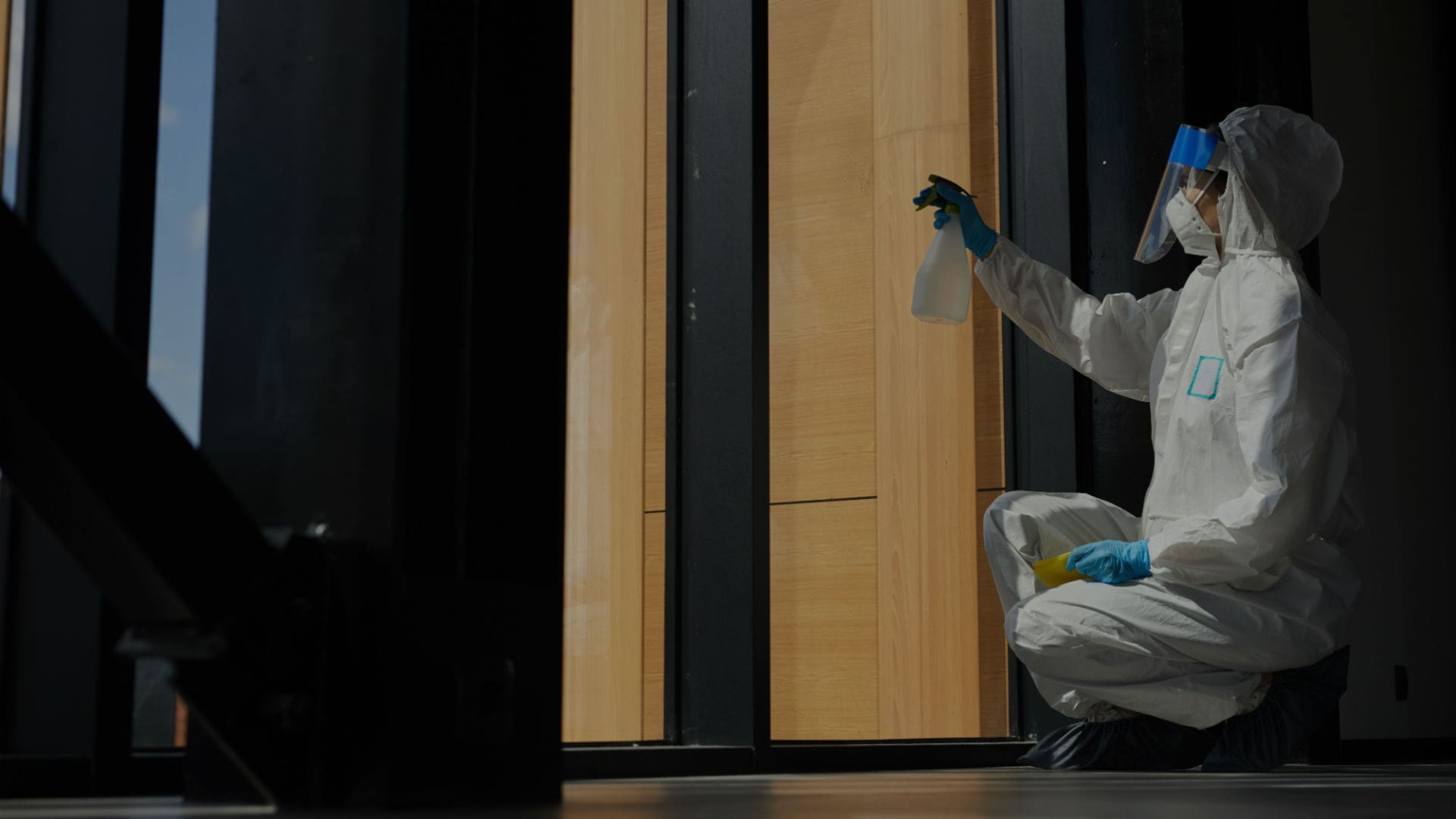
Air quality has become a critical factor in the health, productivity, and comfort of occupants in both commercial and residential environments. Accurate testing provides the data needed to identify contaminants, assess ventilation performance, and develop remediation strategies. This article outlines the core components of air testing, differentiates solutions for commercial and residential settings, and highlights best practices for maintaining safe indoor air quality.
Understanding Air Quality Testing
Air testing involves the systematic collection and analysis of indoor air samples to detect a range of pollutants, including:
- Particulate matter (PM2.5, PM10)
- Volatile organic compounds (VOCs)
- Carbon monoxide and carbon dioxide
- Mold spores and biological contaminants
- Radon and other radioactive gases
Effective testing requires calibrated equipment, proper sampling protocols, and expertise in interpreting results. For a deeper dive into testing methodologies, Read more about this topic.
Commercial Air Testing Solutions
Scope of Testing in Commercial Buildings
Large-scale facilities such as offices, schools, hospitals, and manufacturing plants present unique challenges:
- Higher occupant density increases exposure risk.
- Complex HVAC systems can distribute contaminants widely.
- Regulatory compliance often mandates specific testing frequencies.
Key Services Typically Offered
- Baseline assessments: Establish initial indoor air quality (IAQ) benchmarks.
- Continuous monitoring: Deploy real-time sensors for parameters like CO??? and humidity.
- Targeted investigations: Focused sampling after incidents (e.g., chemical spills).
- Post-remediation verification: Confirm that corrective actions have restored acceptable IAQ levels.
Guidelines for interpreting commercial test results can be found in many industry standards; Learn more in this detailed guide.
Residential Air Testing Solutions
Common Concerns in Homes
Homeowners often seek testing to address specific symptoms or to verify the safety of newly renovated spaces. Typical concerns include:
- Unexplained allergies or respiratory issues.
- Odors from building materials or furnishings.
- Suspected mold growth in basements or bathrooms.
- Radon exposure in regions with known geological risk.
Typical Residential Testing Approach
- Spot sampling: Quick checks in problem areas to identify immediate threats.
- Whole-home assessments: Comprehensive surveys covering multiple rooms and HVAC zones.
- Seasonal testing: Re-evaluation during heating and cooling seasons to capture variations.
- Actionable reporting: Clear recommendations for ventilation improvements, filtration upgrades, or remediation steps.
For homeowners interested in a step-by-step overview, Explore further insights here.
Key Benefits of Regular Air Testing
Consistent monitoring delivers tangible advantages for both commercial and residential occupants:
- Health protection: Early detection of harmful pollutants reduces the risk of acute and chronic illnesses.
- Productivity gains: Better IAQ is linked to improved concentration and reduced absenteeism in workplaces.
- Energy efficiency: Identifying ventilation inefficiencies can lead to optimized HVAC operation and lower utility costs.
- Regulatory compliance: Meets legal requirements for indoor air standards, avoiding potential fines.
- Property value preservation: A well-maintained IAQ record enhances marketability and buyer confidence.
Choosing the Right Testing Approach
When selecting an air testing solution, consider the following factors:
- Building size and layout: Larger or compartmentalized spaces may need multiple sampling points.
- Specific contaminants of concern: Tailor the testing protocol to target the most relevant pollutants.
- Frequency of testing: High-traffic or high-risk environments benefit from more frequent assessments.
- Data interpretation expertise: Accurate analysis requires professionals familiar with IAQ standards.
- Integration with existing systems: Real-time sensors should be compatible with building management platforms.
For a comprehensive checklist that can guide decision-makers, Find additional information here.
Conclusion
Whether addressing the complex demands of commercial facilities or the nuanced needs of residential homes, air testing remains the cornerstone of indoor environmental health. By employing systematic sampling, leveraging continuous monitoring technologies, and acting on data-driven recommendations, stakeholders can ensure that indoor spaces remain safe, comfortable, and compliant. Regular testing not only safeguards occupants but also supports long-term operational efficiency and property stewardship.