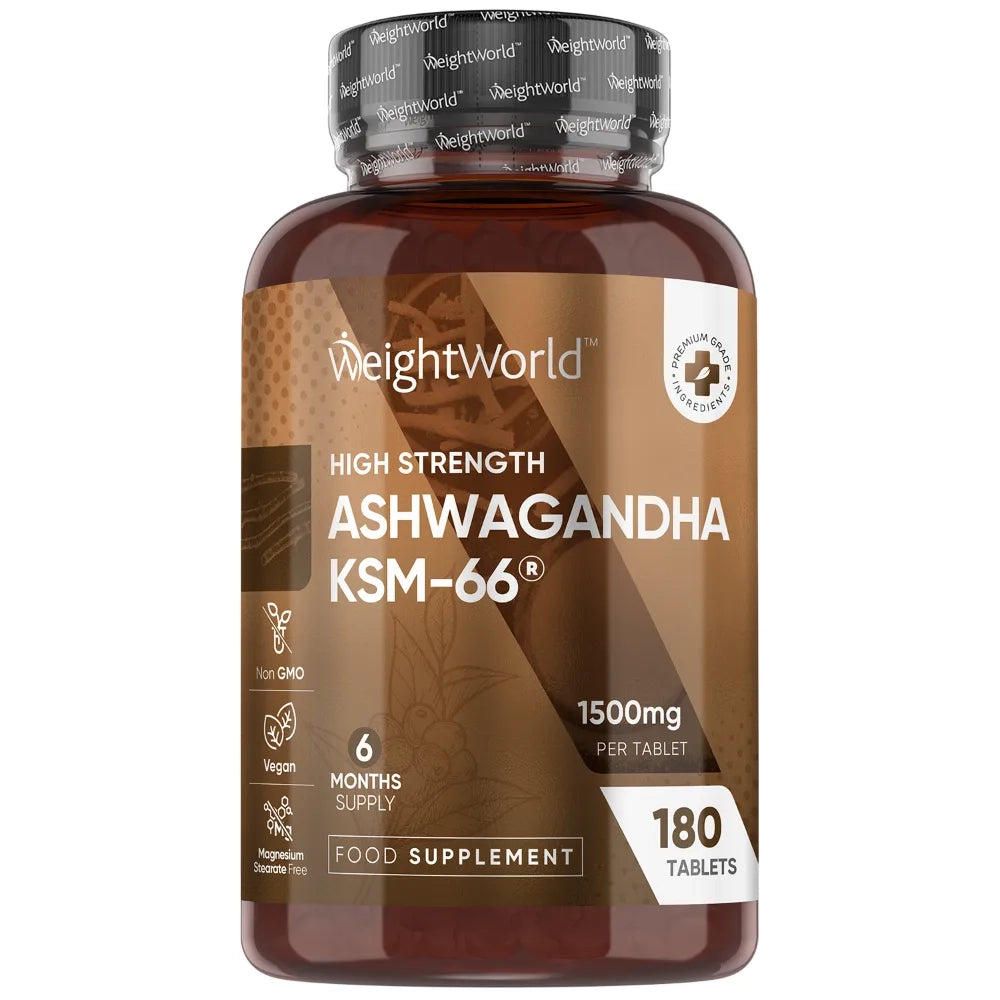
Ashwagandha, known scientifically as Withania somnifera, has transitioned from traditional Ayurvedic roots to a mainstream supplement celebrated for its adaptogenic properties. As interest in natural stress-relief solutions grows, the market now offers a range of formulations, each promising benefits such as enhanced stamina, balanced cortisol levels, and improved cognitive function. This guide delves into the science, optimal usage, and practical considerations surrounding the ashwagandha supplement, helping readers make informed decisions based on evidence rather than hype.
What Makes Ashwagandha an Adaptogen?
Adaptogens are natural substances that help the body maintain homeostasis when faced with physical, emotional, or environmental stressors. Ashwagandha stands out for several reasons:
- Root composition: The active compounds, primarily withanolides, exert antioxidant and anti-inflammatory effects.
- Hormonal modulation: Research indicates a capacity to lower cortisol, the primary stress hormone, without suppressing essential adrenal function.
- Neuroprotective action: Withanolides interact with GABA receptors, supporting calmness and improved sleep quality.
Key Benefits Backed by Research
Stress Reduction and Mood Support
Multiple double-blind studies have demonstrated that daily intake of standardized ashwagandha extracts can reduce perceived stress scores by up to 44″?% compared to placebo. The effect is attributed to cortisol regulation and enhanced neurotransmitter balance.
Physical Performance and Recovery
Athletes and fitness enthusiasts often turn to ashwagandha for its potential to increase VO??? max, boost muscular strength, and accelerate recovery. A 12-week trial involving resistance training participants reported a 12″?% rise in bench-press repetitions and a noticeable reduction in post-exercise muscle damage markers.
Cognitive Function and Memory
Preclinical models suggest that withanolides promote neurogenesis and protect against oxidative stress in brain tissue. Human trials have observed modest improvements in reaction time, working memory, and overall mental clarity after eight weeks of supplementation.
Choosing the Right Formulation
Not all ashwagandha products are created equal. When evaluating options, consider the following criteria:
- Standardization: Look for extracts standardized to 5″?% withanolides (often labeled as KSM-66 or Sensoril).
- Purity: Verify that the product is free from unnecessary fillers, artificial colors, or allergens.
- Dosage clarity: Reliable brands provide clear dosage recommendations based on clinical research, typically ranging from 300″?mg to 600″?mg per day.
Integrating a high-quality ashwagandha supplement into a daily routine can maximize these benefits while minimizing variability in potency.
How to Incorporate Ashwagandha Into Your Daily Routine
Timing and Dosage
Optimal timing depends on individual goals:
- Stress management: Take 300″?mg with a meal in the morning to support cortisol balance throughout the day.
- Sleep enhancement:
- Performance focus: Split the daily dose (e.g., 300″?mg morning, 300″?mg pre-workout) to sustain energy and recovery benefits.
A 600″?mg dose 30-60 minutes before bedtime may promote relaxation and deeper sleep cycles.
Potential Interactions and Safety
While ashwagandha is generally well-tolerated, certain considerations are prudent:
- Consult a healthcare professional if you are pregnant, nursing, or taking thyroid medication, as the herb can influence thyroid hormone levels.
- Individuals on immunosuppressants should monitor for possible immune-modulating effects.
- Start with a lower dose (150-200″?mg) to assess tolerance before progressing to the full recommended amount.
Frequently Asked Questions
Can I take ashwagandha with other supplements?
Yes, it pairs well with magnesium, B-complex vitamins, and omega-3 fatty acids, all of which support stress resilience and cognitive health. However, avoid combining multiple adaptogens (e.g., rhodiola, ginseng) without professional guidance to prevent overstimulation.
How long does it take to notice results?
Most users report measurable changes in mood and energy within 2-4 weeks, while improvements in strength or sleep quality may require 6-8 weeks of consistent use.
Is there a difference between powdered root and capsule extracts?
Capsule extracts provide a concentrated, standardized dose of withanolides, offering more predictable outcomes. Powdered root can be effective but often varies in potency, making dosage estimation more challenging.
Conclusion
When selected thoughtfully, an ashwagandha supplement serves as a versatile tool for modern wellness, addressing stress, supporting physical performance, and enhancing cognitive sharpness. By focusing on standardized extracts, adhering to evidence-based dosing, and monitoring personal response, individuals can harness the herb’s adaptogenic power safely and effectively. As research continues to unveil new mechanisms, incorporating ashwagandha into a balanced lifestyle remains a scientifically grounded strategy for long-term health optimization.